Last October, I was sitting in a small café in Thamel when an Australian couple at the next table leaned over and asked me a question. “Mate, we read Nepal was never colonized. Is that actually true? How did you guys pull that off?”
I laughed, ordered another milk tea, and told them it would take me longer than their flat white to answer properly.
So here I am — answering it properly. If you’re planning a trip to Nepal from Sydney, Seattle, Madrid, or Manchester or part of the world, this is the story behind the country you’re about to visit. And I promise it’s more interesting than the version on most travel blogs.
The short answer that isn’t really the whole answer
Yes, Nepal was never colonized. We never flew a Union Jack. No European power ever ran our government, our schools, or our courts. While almost every neighbour we have — India, Sri Lanka, Bangladesh, Myanmar, Pakistan — was carved up and ruled from London, Nepal stayed our own.
But here’s the part the postcard version skips. We weren’t completely untouched either. The British got pretty close. And the real reason we stayed free is messier, more interesting, and more honest than the “brave Gurkhas defeated the British” story you’ll hear from a taxi driver in Kathmandu.
Let me walk you through it.
The war we fought — and what actually happened
In 1814, a Nepali kingdom called Gorkha — yes, that’s where the word “Gurkha” comes from — was expanding aggressively. Our borders stretched from Sikkim in the east all the way to Kangra in the west, including parts of what’s now Indian Himachal Pradesh and Uttarakhand. We were the second-biggest military power on the entire Indian subcontinent. The first was the British East India Company.
Two ambitious empires sharing one mountain range was never going to end peacefully.
The Anglo-Nepal War broke out that year. The British had cannons, money, and tens of thousands of soldiers. We had khukuris, steep cliffs, and a tradition of mountain warfare that confused the daylights out of their flatland generals. For two years, our Gorkhalis put up such a fierce fight that British officers wrote letters home praising their enemies — something colonial soldiers almost never did.
But here’s what most articles won’t tell you. We lost.
By 1816, Nepal signed the Treaty of Sugauli and gave up about a third of our territory. Sikkim, Darjeeling, Kumaon, Garhwal, and huge chunks of the Terai plains — all gone. A British representative was stationed in Kathmandu to keep an eye on us. That’s not a victory in the way patriotic Nepali Facebook posts make it sound.
So how did we still stay independent? Three reasons. And only one of them is what you’d expect.
Reason one: the mountains genuinely scared them
This is the reason every Nepali knows. The Himalayas are not a backdrop. They’re a fortress. To invade Kathmandu, the British would have had to push armies through narrow passes, freezing winters, monsoon-flooded valleys, and forests full of malarial mosquitoes that killed more soldiers than any musket.
There’s actually a joke among Nepali history students that we should put a mosquito on our coat of arms. The “Awal” — the seasonal Terai malaria — wiped out British troops so reliably that even healthy young soldiers refused to be stationed near our southern border.
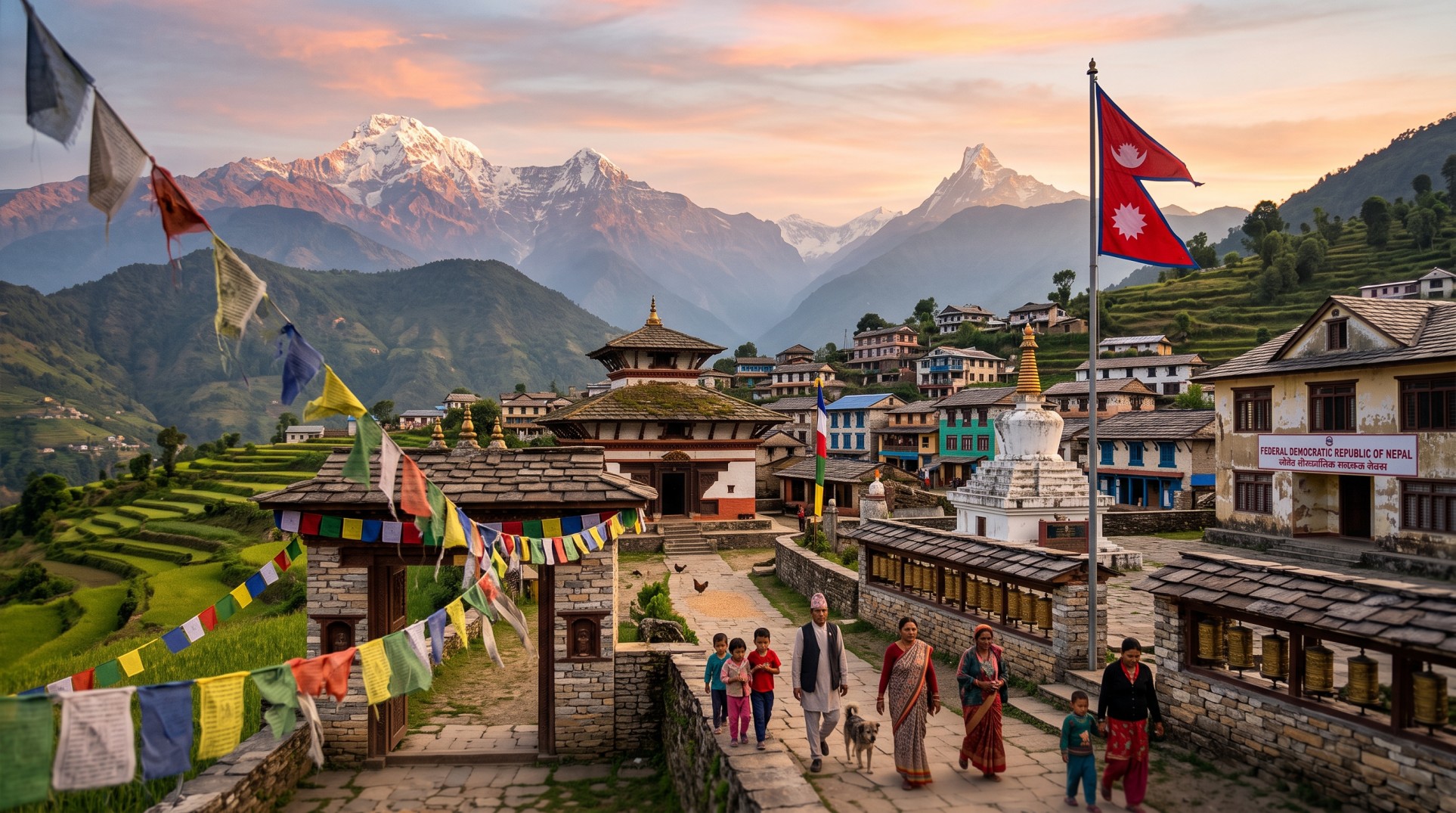
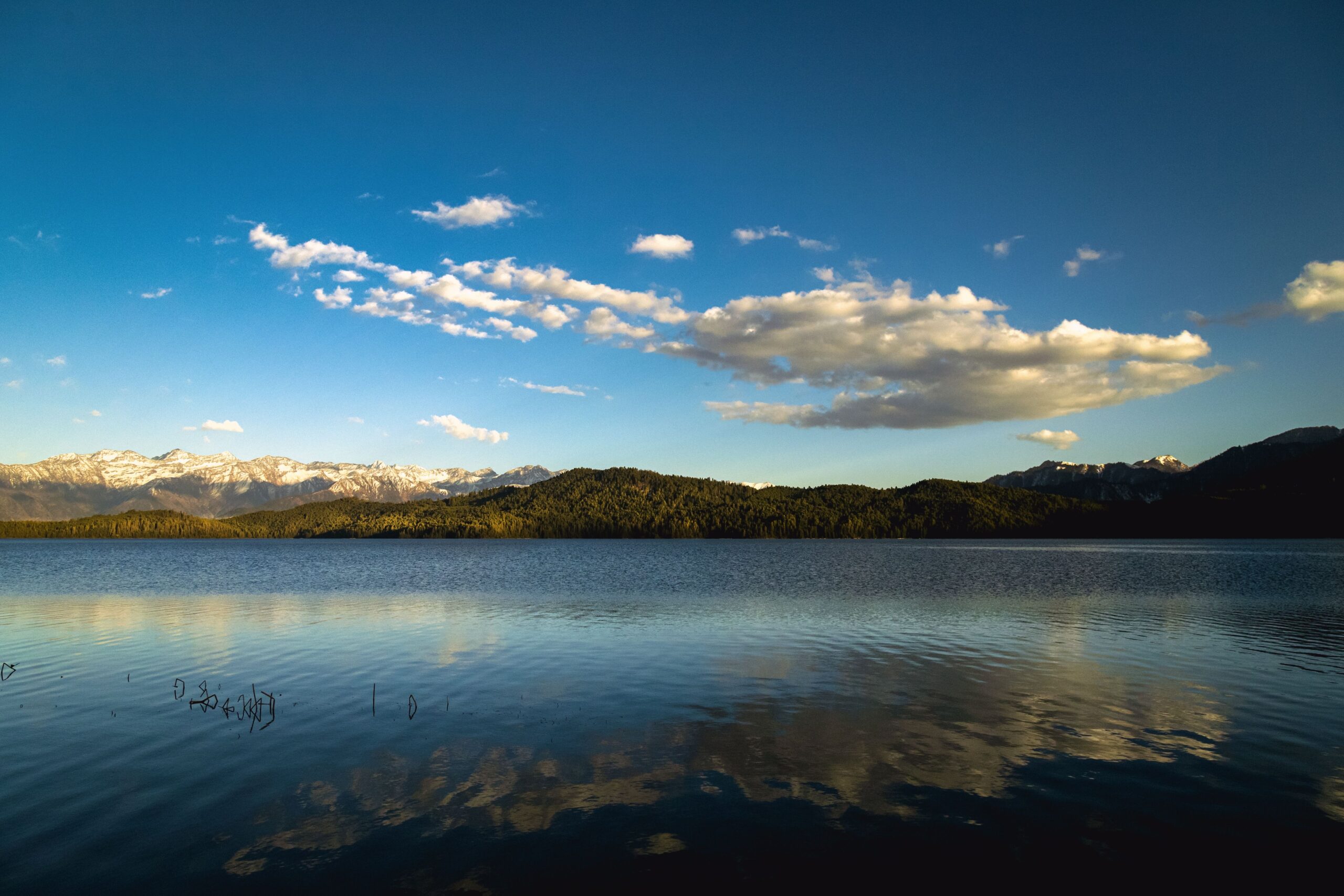
If you’ve ever flown into Kathmandu and watched the plane bank between snow-capped ridges, you’ve seen the geography that protected us. It’s stunning to look at. It was terrifying to invade.
Reason two: the British did the math and walked away
Now this is the reason your taxi driver won’t mention. The British weren’t stupid. They sat down, did the calculation, and decided Nepal wasn’t worth the trouble.
Why? Because they were already getting almost everything they wanted from Nepal without paying the cost of running it.
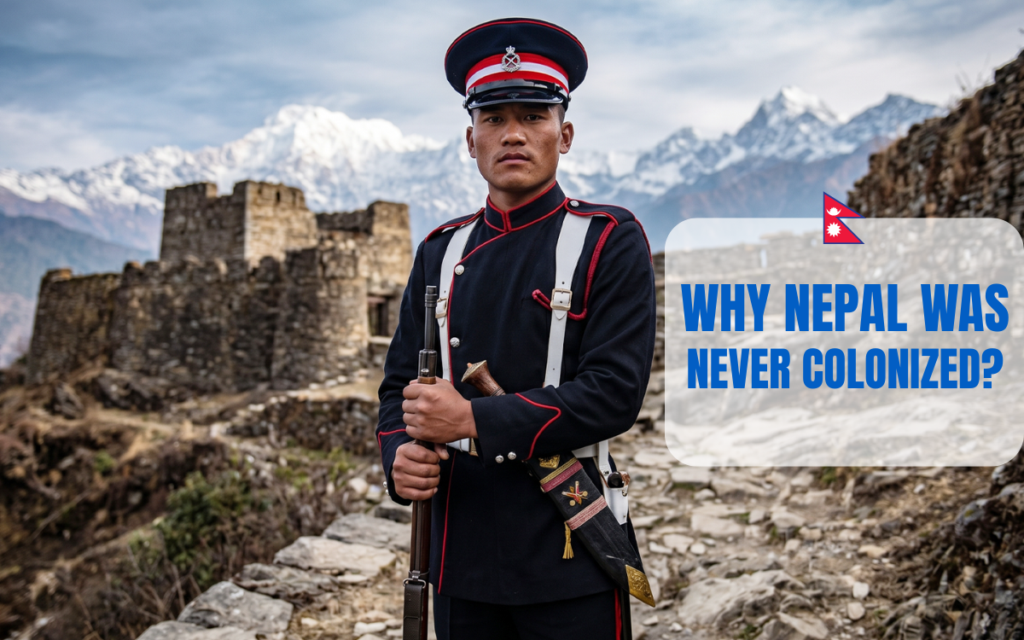
After 1816, Nepal’s Rana rulers basically became business partners with the British. We let them recruit our young men — the famous Gurkhas — into the British Army. Had the British colonized Nepal, they would have had to treat the Gurkhas on an equal basis like the forces of other Commonwealth nations. But if you can get something for free, why bother to pay for it?
That’s a brutal sentence. But it’s true. The British got our soldiers, our trade routes, our cooperation, and our buffer zone against China — and they didn’t have to build a single school, road, or hospital in return. Colonization is expensive. Friendship-with-strings is cheap.
I’m not proud of that part of our history. The Rana family ruled Nepal as hereditary prime ministers for 104 years and got rich making deals with the British while ordinary Nepalis stayed poor. But honesty matters here. We weren’t only free because we were brave. We were also free because our rulers learned to bend.
Reason three: nobody wanted a war with China
This third reason almost never makes it into tourist articles, and it’s my favourite because it’s pure geopolitics.
Nepal sits between two giants. India to the south, China to the north. Even in 1816, the British knew that pushing too hard into the Himalayas would mean knocking on the Qing Empire’s door. Britain was still trying to secure its foothold over India, so they weren’t ready to risk confrontation with China at that time. That’s exactly why they stayed away from not just Nepal, but also Bhutan, Kashmir, and Sikkim.
We were, in a way, lucky. We were small enough not to be worth a war with China, big enough to defend ourselves, and difficult enough to make conquest expensive. Three things had to be true at once. They were.
The counterargument — “But you were basically colonized anyway”
I want to address this honestly because some historians make it, and they’re not entirely wrong.
The argument goes: Nepal had a British resident in Kathmandu monitoring our politics. We lost a third of our land in a treaty. Our economy was tied to British interests. Our soldiers fought British wars in two World Wars and in places like Burma, Italy, and Malaya.
So in what meaningful sense were we ever truly independent?
It’s a fair question. And my honest answer is: we kept the things that matter most.
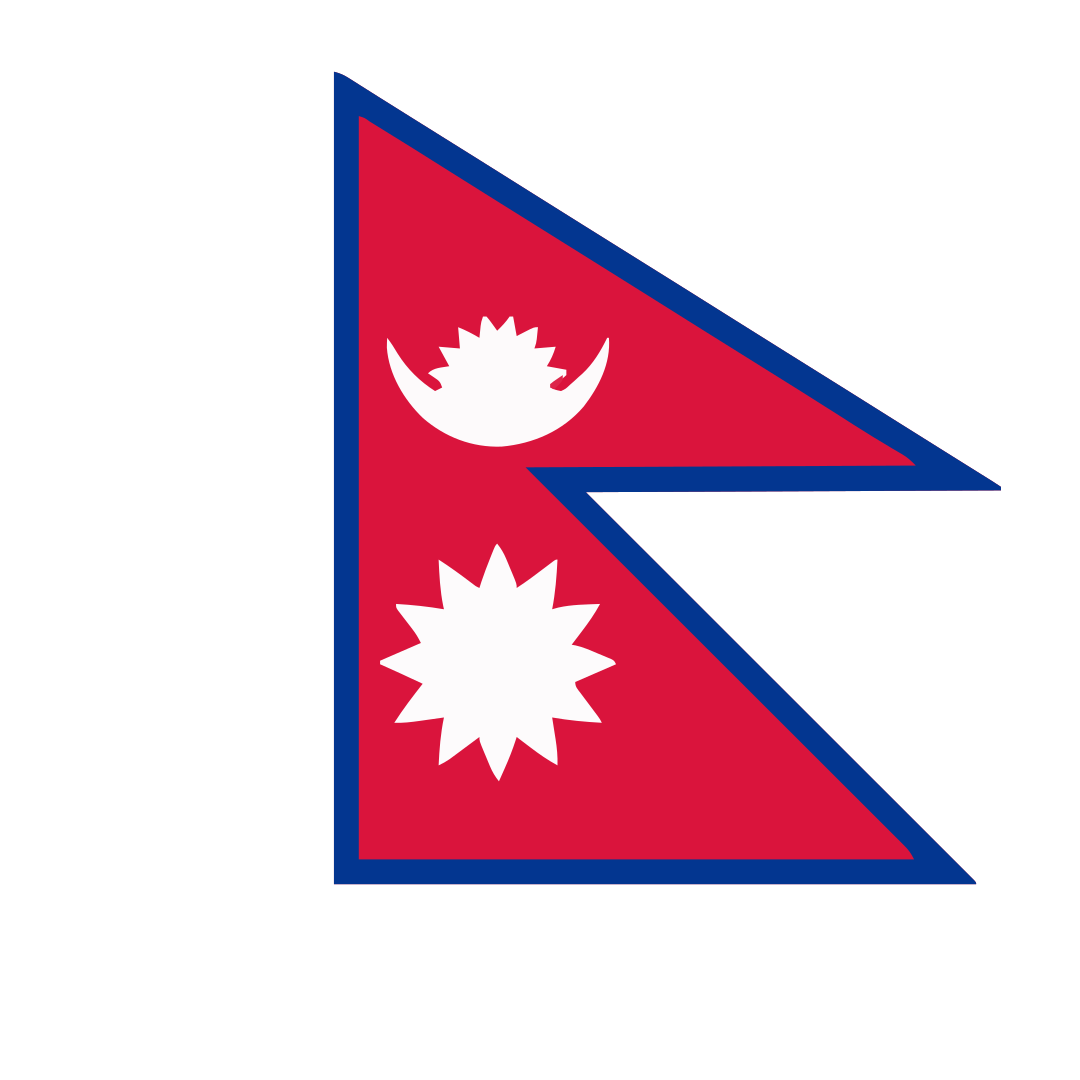
We kept our language. We kept our calendar — Nepal still runs on the Bikram Sambat calendar, where right now it’s the year 2082, not 2026. We kept our religion, our temples, our caste structures (for better and worse), our king (until 2008), our laws, our schools, and our daily rhythm of life. No British viceroy ever sat in Kathmandu. No British court ever sentenced a Nepali. Our currency stayed ours. Our flag — the two-triangle shape you can read about in my article on Why Nepal’s flag isn’t rectangular — was never replaced.
When the British finally left South Asia in 1947, they walked out of Delhi, Lahore, Colombo, and Yangon. They had nothing to walk out of in Kathmandu, because they were never inside it.
That’s not nothing. That’s actually a lot.
What this means for you, as a visitor?
So why does any of this matter when you’re booking a trip from Brisbane or Manchester or any part of the world?
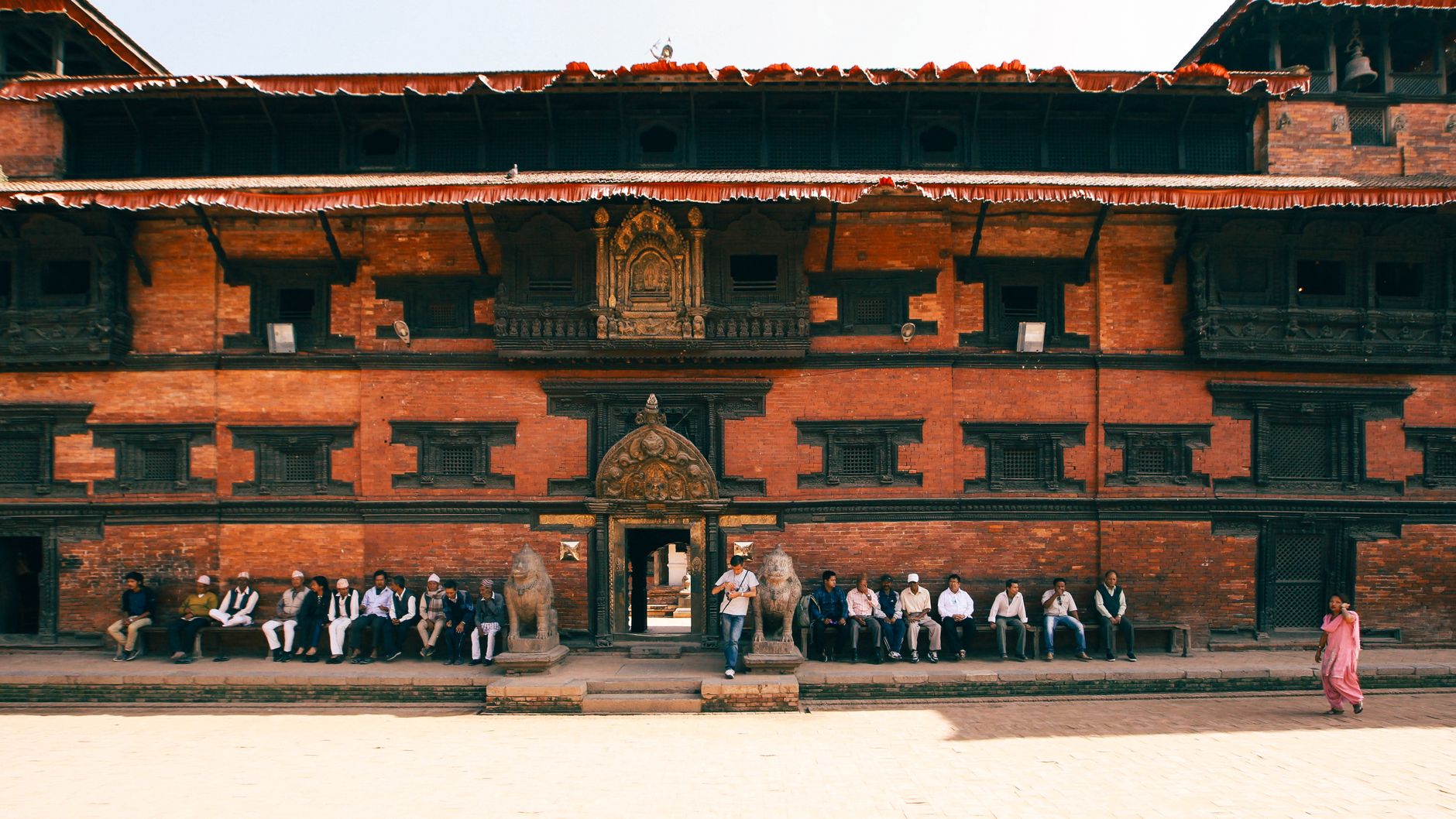
It matters because Nepal feels different from its neighbours, and now you’ll know why. The temples weren’t restored by Europeans. The food wasn’t anglicised. The buildings in Kathmandu’s old town are built in the style they’ve always been built — pagoda roofs, carved wooden windows, stone courtyards — because no colonial government ever bulldozed them to build a British administrative quarter.
When you walk through Patan Durbar Square, you’re walking through a city that designed itself, on its own terms, for a thousand years.
You’ll also understand the Nepali sense of humour around it. We joke about being “the country the British couldn’t be bothered with.” We tease our Indian friends about Independence Day — “you celebrate getting freedom, we never lost it.” We’re proud, but we’re not romantic about it. The story is more complicated than the flag wavers admit.
And the Gurkhas? They’re still serving in the British Army today. Still in the Indian Army. Still in the Singapore Police Force. Two hundred years after we lost a war, we still send our best soldiers to fight for other people’s countries. That’s a whole article on its own, and I’ll write it soon.
So — was it worth it?
This is the question I keep coming back to.
If Nepal had been colonized, we might have railways that work properly. We might have a stronger education system. We might have less corruption and better infrastructure. Singapore, Malaysia, and Hong Kong all got those things, partly because of colonial investment.
But we’d have lost our calendar, our script might have shrunk, our temples might have been “renovated” by foreigners with no idea what they were looking at, and our flag would probably be rectangular by now.
I think we got the better deal. But I’m Nepali. I would say that.
What do you think? If you’ve travelled to other South Asian countries — India, Sri Lanka, Myanmar — and you make it to Nepal next, I’d genuinely love to hear what feels different to you. Email me at info@nepalfacts.com or leave a comment below. I read everything.
And if you’re still planning that trip, start with my guide to Nepal’s airports — that’s where the story stops being history and becomes your itinerary.


 Nepalfacts 09 minutes read 53 views