Comments Off on Bardiya National Park: Nepal’s Wildest Safari Alternative
Key Takeaways
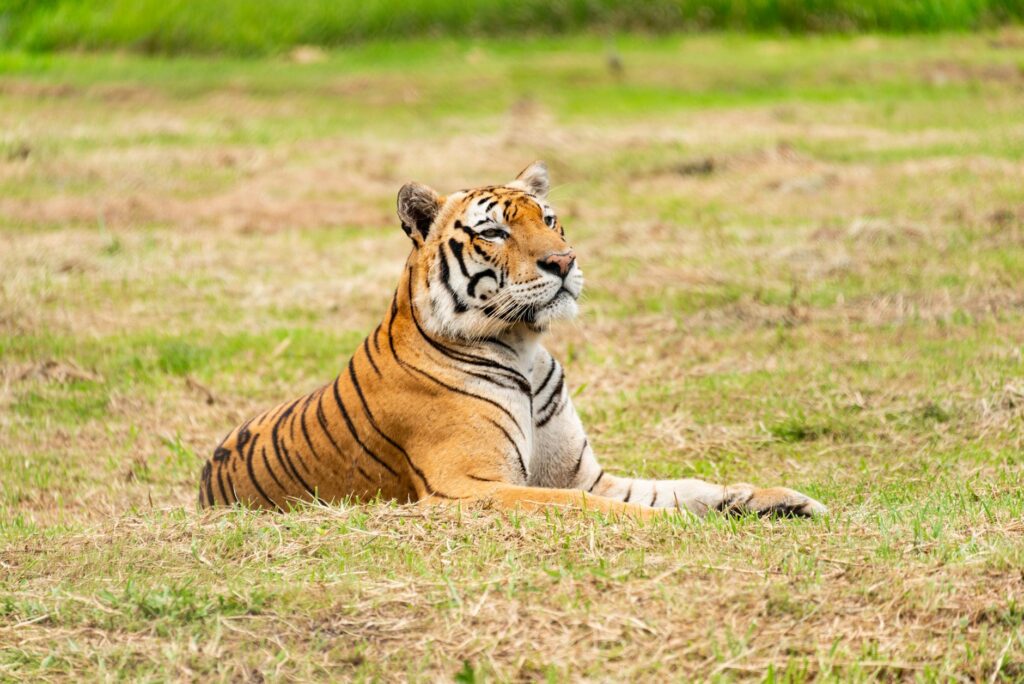
Bardiya National Park in Lumbini Province has one of Nepal’s highest tiger densities per square kilometer and far fewer visitors than Chitwan National Park.
The park supports genuine wild elephant herds, reintroduced one-horned rhinos, gharial crocodiles, river dolphins and over 400 bird species.
Safaris at Bardiya include jeep drives, guided walks and canoe trips along the Karnali River, always led by licensed guides for safety.
The best time to visit is the dry season from October to April, while the monsoon from May to September limits road and river access.
Bardiya suits travelers seeking a quieter, higher-density wildlife experience, while Chitwan remains easier to reach and more developed for first-time visitors.
Most visitors to Nepal head straight to Chitwan National Park when they want to see a Bengal tiger or a wild elephant, and Chitwan deserves its reputation. But in the far southwest of the country, along the Karnali River in Bardiya District, Lumbini Province, sits a park that many guides and conservationists quietly consider the better wildlife experience. Bardiya National Park covers roughly 968 square kilometers of sal forest, grassland and river floodplain, and it holds one of Nepal’s highest tiger densities per square kilometer along with genuine herds of wild elephants, all with a fraction of the tourist traffic.
If you want to know whether Bardiya is worth the extra travel time, what you’ll actually see there, and how it stacks up against Chitwan, this guide covers the practical details you need before you book.
What Makes Bardiya National Park Different From Chitwan?
Bardiya National Park offers a wilder, less-developed safari experience than Chitwan because it sees far fewer visitors, limits vehicle and boat traffic, and preserves large roadless core areas. The park was gazetted in 1988, expanded from an earlier wildlife reserve, and remains Nepal’s largest protected area in the Terai lowlands.
Where Chitwan National Park, described in detail in our Chitwan safari guide, can feel crowded during peak season with multiple jeeps converging on a single sighting, Bardiya’s remoteness naturally limits numbers. Fewer lodges operate near its boundaries, and parts of the park’s interior still see very light human traffic. For travelers who want quiet in the forest and a better chance of an uncrowded tiger sighting, that difference matters.
What Wildlife Lives in Bardiya National Park?
Bardiya National Park is home to Bengal tigers, wild Asian elephants, one-horned rhinoceros reintroduced from Chitwan, gharial and mugger crocodiles, Gangetic river dolphins, and more than 400 recorded bird species. The park’s mix of sal forest, riverine grassland and the Karnali and Babai river systems supports this unusually wide range of species in one protected area.
Beyond the headline species, visitors regularly report sightings of:
Spotted deer (chital) and barking deer grazing in open grassland
Wild boar, with sloth bear present but rarely seen
Striped hyena, uncommon but recorded in low numbers
Black-necked storks, Bengal florican and other threatened bird species in the grasslands
Gharial crocodiles basking along the Karnali riverbanks, part of an ongoing gharial conservation program
Guides licensed through Nepal’s Department of National Parks and Wildlife Conservation lead most organized safaris here, and hiring one is both required and genuinely useful for spotting and identifying wildlife safely.
How Many Tigers Does Bardiya Actually Have?
Bardiya National Park has one of the highest tiger densities of any park in Nepal, though exact population figures shift with each national tiger survey and should be checked against the latest government count rather than treated as fixed. Nepal’s national tiger census, carried out periodically by the government with support from conservation partners, has recorded overall growth in the country’s tiger population in recent years.
What sets Bardiya apart is density relative to park size rather than raw numbers alone. Because the park is smaller than Chitwan but holds a proportionally large tiger population, local guides consider the odds of finding tracks, hearing alarm calls, or getting an actual sighting during a multi-day visit to be strong, even though no safari can guarantee a tiger sighting. Treat any precise current tiger count with caution unless it traces back to an official release from the Department of National Parks and Wildlife Conservation.
What Is It Like to Take a Safari on the Karnali River?
A Karnali river safari in Bardiya means drifting past forested banks by canoe or small boat, watching for gharial crocodiles, river dolphins and waterbirds while the Karnali River, one of Nepal’s longest and least dammed rivers, carries you downstream. The pace is slower and quieter than a jeep safari, which often brings you closer to animals that would otherwise flee from engine noise.
Boat safaris typically combine with a walk along the riverbank or grassland, led by an armed park ranger alongside a trained naturalist guide for safety. Many of Nepal’s parks have moved away from elephant-back safaris toward jeep, canoe and walking safaris, reflecting a broader shift toward animal welfare and lower-impact tourism. Expect your guide to point out fresh pugmarks, elephant dung and claw marks on trees, signs that often tell a more immediate story than a direct sighting.
How Do You Get to Bardiya National Park?
Bardiya National Park is reached either by a short domestic flight to Nepalgunj followed by a road transfer of a few hours, or by a long overland journey of roughly 12 to 16 hours by bus or private vehicle from Kathmandu. Most independent travelers fly, since the overland route, while scenic, uses up a full day or more each way.
From Nepalgunj’s airport, lodges and hotels in the Thakurdwara area near the park’s eastern entrance typically arrange pickup. Travelers coming from Pokhara or the Chitwan region can also combine stops, since Bardiya sits further west along the East-West Highway corridor. For a sense of how a Bardiya detour fits into a wider Nepal itinerary, our guide to the best places to visit in Nepal places it alongside the country’s other major regions.
When Is the Best Time to Visit?
The best time to visit Bardiya National Park is during the dry season from October to early April, when trails are passable, grass is shorter, and wildlife gathers near rivers and waterholes. March and April often give the clearest sightings because tall grassland has been cut or burned back, improving visibility, though daytime temperatures rise.
Season
Months
Conditions
Peak dry season
October to February
Cool, clear, comfortable for walking and boat safaris
Hot dry season
March to April
Best visibility due to short grass, hotter daytime temperatures
Monsoon
May to September
Heavy rain, flooded trails, many lodges reduce operations
Avoid the monsoon months if possible, since swollen rivers and muddy forest tracks limit both jeep and boat access, and visibility drops sharply in dense monsoon vegetation.
How Much Does a Trip to Bardiya Cost?
A Bardiya trip often costs less per day than a comparable Chitwan package once you factor in lodge rates, but travel time and transport can add expense depending on whether you fly or go overland. Park entry fees, guide fees and safari activity charges all vary and change periodically, so always confirm current rates through the Nepal Tourism Board or your lodge before booking.
Rough budget categories to expect:
Budget lodges near Thakurdwara village, often family-run, with basic rooms and home-cooked meals
Mid-range eco-lodges offering guided jeep and canoe safaris as part of a package
Transport costs, which depend heavily on whether you fly to Nepalgunj or travel overland
Park entry and guide fees, set by the Department of National Parks and Wildlife Conservation and subject to change
Choose Bardiya National Park if you value fewer crowds, a higher chance of a genuine tiger encounter, and a quieter river-based safari experience; choose Chitwan if you have limited time, want easier access from Kathmandu or Pokhara, and prefer a wider choice of established lodges.
Factor
Bardiya National Park
Chitwan National Park
Tiger density
Among the highest in Nepal
High, but spread across a larger, more visited area
Crowds
Low, even in peak season
Can be busy, especially near Sauraha
Access from Kathmandu
Flight plus transfer, or a long overland journey
Short flight or several hours by road
Wild elephants
Genuine wild herds roam the park
Elephants historically more associated with domesticated use nearby
Lodge variety
Fewer options, more intimate
Wide range from budget to luxury
Best for
Dedicated wildlife enthusiasts, repeat visitors to Nepal
First-time visitors, families, shorter trips
Neither park is objectively better in every sense. Chitwan remains the more convenient, tourist-ready option, while Bardiya rewards travelers willing to spend an extra day or two reaching a park where the forest still feels largely undisturbed.
A Final Word on Safety and Responsible Visits
Bardiya National Park is generally safe to visit when you stay with a licensed guide, follow park rules, and avoid walking alone near riverbanks or dense grassland where tigers, elephants and rhinos may be present. Wild elephant encounters can turn dangerous if animals feel cornered or threatened, so keep a respectful distance and follow your guide’s instructions immediately if an animal reacts to your presence.
Bardiya’s combination of high tiger density, real wild elephant herds, river-based safaris on the Karnali, and a near-total absence of crowds makes it one of the most rewarding wildlife destinations in South Asia for travelers who have already done the more conventional Nepal circuit. If you’ve been to Chitwan, or simply want to see Nepal’s wildlife away from the main tourist trail, Bardiya deserves serious consideration for your next trip. Share your own Bardiya experiences or questions in the comments below, and help other travelers planning their Nepal journey.
Frequently Asked Questions
Is Bardiya National Park better than Chitwan?
Neither park is universally better. Bardiya offers higher tiger density, wild elephant herds and far fewer tourists, while Chitwan offers easier access from Kathmandu and more lodge options. Choose based on how much travel time you have and whether you prioritize solitude or convenience.
What animals can you see in Bardiya National Park?
Bardiya National Park is home to Bengal tigers, wild Asian elephants, one-horned rhinoceros, gharial and mugger crocodiles, Gangetic river dolphins, spotted deer, wild boar and over 400 bird species, making it one of Nepal’s most biodiverse protected areas.
How many tigers are in Bardiya National Park?
Bardiya has one of the highest tiger densities in Nepal relative to its size, though exact numbers change with each national tiger census. Check the latest figures from Nepal’s Department of National Parks and Wildlife Conservation rather than relying on older estimates.
How do you get to Bardiya National Park from Kathmandu?
Most travelers fly from Kathmandu to Nepalgunj and then transfer by road a few hours to the park, which takes most of a day. An overland journey by bus or private vehicle is also possible but typically takes 12 to 16 hours.
Is Bardiya National Park safe to visit?
Bardiya is generally safe when visitors stay with a licensed guide, follow park safety rules and avoid walking alone near rivers or dense grassland. Wildlife encounters, especially with elephants, require caution and immediate attention to your guide’s instructions.
Can you see wild elephants in Bardiya?
Yes, Bardiya National Park is known for genuine wild elephant herds roaming its forests and grasslands, unlike many areas near Chitwan where elephants have historically been more associated with domesticated use. Sightings are not guaranteed but are a highlight for many visitors.



 Nepalfacts 09 minutes read 64 views