

The Kumari: Nepal’s Living Goddess
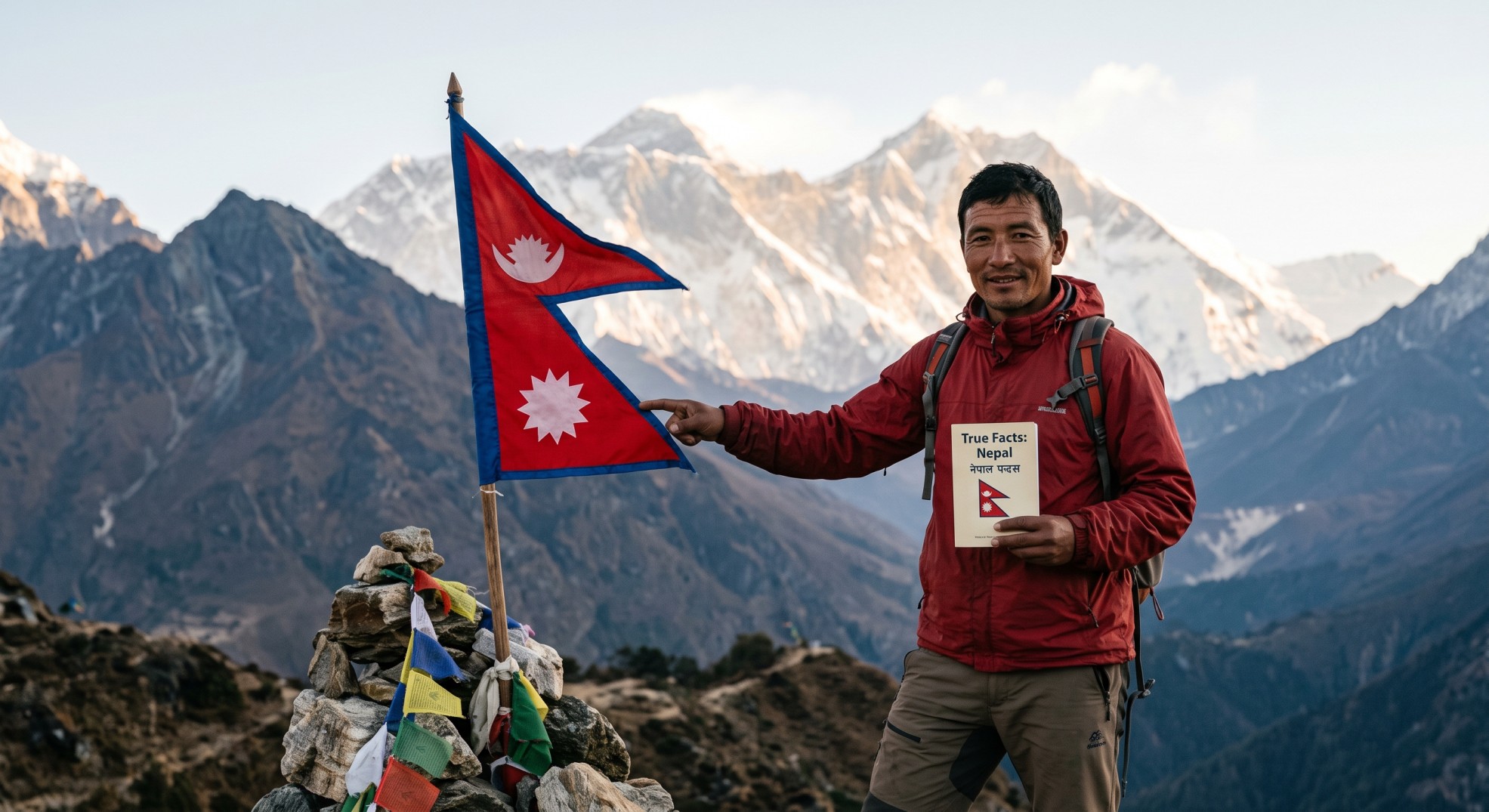
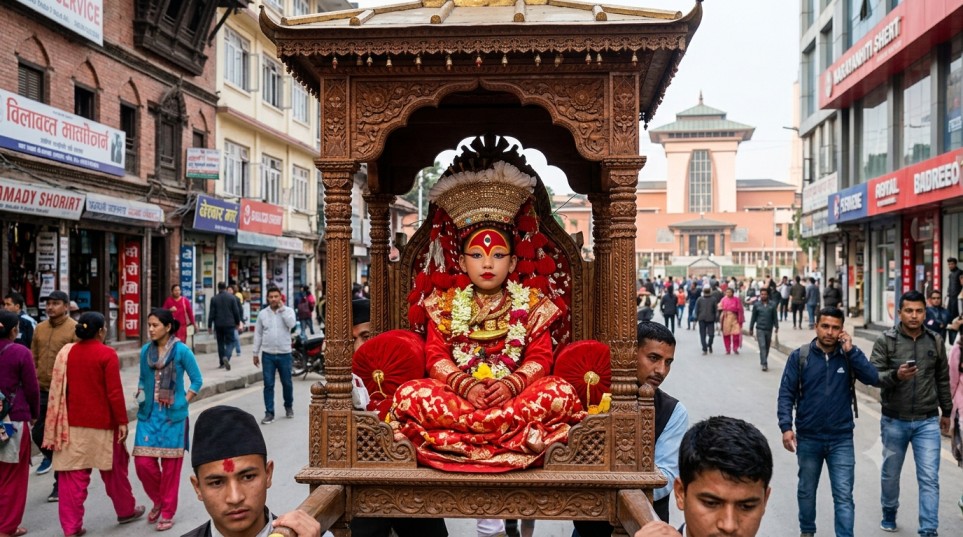
How Nepal Chooses a Living Goddess The five stages of selecting the Royal Kumari of Kathmandu […]

सङ्घीय लोकतान्त्रिक गणतन्त्र नेपाल
Sanghiya Loktāntrik Ganatantra Nepāl
The Federal Democratic Republic of Nepal is the official name of Nepal. It is a landlocked federal parliamentary republic in South Asia, between China and India. Nepal became a republic on 28 May 2008, when the elected Constituent Assembly ended the 240-year Shah monarchy. The Constitution of Nepal 2015 organises the country into 7 provinces and 753 local governments. Its capital is Kathmandu.
For most of its modern history, Nepal was a Hindu kingdom. Today, it is one of the world's youngest republics. Its official name tells the whole story. Federal means power is shared across three levels of government. Democratic means leaders are chosen in elections. Republic means the head of state is an elected President, not a king. Here is everything you need to know, from the flag and national emblem to how the republic was born.


.svg?width=320)
Images: Wikimedia Commons
| Country | |
| Official name | Federal Democratic Republic of Nepal |
|---|---|
| Capital & largest city | Kathmandu (काठमाडौं), 27°42′N 85°19′E |
| Official language | Nepali (नेपाली); 124 mother tongues recorded in the 2021 census |
| Demonym | Nepali, Nepalese |
| Government | |
| System | Federal parliamentary republic |
| President (head of state) | Ram Chandra Paudel 2026 |
| Prime Minister (head of government) | Balendra (Balen) Shah, since 27 March 2026 2026 |
| Legislature | Federal Parliament: House of Representatives (275) + National Assembly (59) |
| Constitution | Constitution of Nepal, promulgated 20 September 2015 |
| Formation | |
| Unification (kingdom) | 25 September 1768 |
| Interim Constitution | 15 January 2007 |
| Republic declared | 28 May 2008 (15 Jestha 2065 BS) |
| Land & people | |
| Area | 147,516 km² (official figure since the 2020 map update) |
| Population | 29,164,578 (2021 census) |
| Administrative units | 7 provinces · 77 districts · 753 local levels |
| Practical | |
| Currency | Nepalese rupee (NPR) |
| Time zone | Nepal Standard Time, UTC+5:45 (no daylight saving) |
| Drives on the | Left |
| Calling code · ISO code · Internet domain | +977 · NP · .np |
Nepal's journey from kingdom to republic took more than two centuries. The most dramatic change came in just a few years between 2006 and 2008. These are the key milestones.
Unification. King Prithvi Narayan Shah conquers the Kathmandu Valley and founds the modern Kingdom of Nepal, beginning 240 years of Shah rule.
People's Movement (Jana Andolan I). Mass protests bring multiparty democracy under a constitutional monarchy.
Civil conflict. A decade-long Maoist insurgency reshapes the country's politics.
Jana Andolan II and peace. Weeks of nationwide protests restore parliament. A Comprehensive Peace Accord in November 2006 formally ends the conflict.
Interim Constitution. A temporary constitution takes effect and lays out the path to an elected Constituent Assembly.
Constituent Assembly election. The CPN (Maoist) wins the most seats. Observers noted that polling day itself was largely peaceful, despite violence during the campaign.
The monarchy is abolished. At its first meeting, 560 of the 564 Assembly members present vote to declare Nepal a secular, inclusive federal democratic republic. Only the four-member Rastriya Prajatantra Party dissents. The King is given 15 days to leave Narayanhiti Royal Palace, which reopens as a public museum. The date is now celebrated every year as Ganatantra Diwas (Republic Day).
First President. Dr. Ram Baran Yadav is elected as Nepal's first President.
Years of transition. Governments change frequently. The first Constituent Assembly is dissolved in 2012 without agreeing on a constitution. A second Assembly is elected in 2013 under a caretaker government led by Chief Justice Khil Raj Regmi.
New Constitution of Nepal. The constitution comes into force, making Nepal a federal parliamentary republic with 7 provinces. The date is marked each year as Constitution Day (3 Ashwin).
Federalism in action. The first local, provincial and federal elections under the new constitution are held, and the Federal Parliament is formed.
Gen Z protests. Youth-led nationwide protests bring down the government. Former Chief Justice Sushila Karki becomes interim Prime Minister, the first woman to hold the post.
General election. Following the March 2026 election, Balendra Shah is sworn in as Prime Minister on 27 March 2026, the youngest person to hold the office.
Under the 2015 constitution, power is shared between three tiers of government. Each tier has its own elected representatives and its own responsibilities.
The President is the head of state and a largely ceremonial figure, elected by an electoral college of federal and provincial lawmakers. Real executive power lies with the Prime Minister and the Council of Ministers. The Prime Minister is normally the leader of the largest party or coalition in the House of Representatives.
Nepal's Parliament has two houses. The House of Representatives has 275 members: 165 are elected directly from constituencies and 110 through proportional representation. The National Assembly has 59 members: 56 are elected from the seven provinces, and 3 are nominated by the President.
Local governments are the level closest to citizens. There are 6 metropolitan cities, 11 sub-metropolitan cities, 276 municipalities and 460 rural municipalities.
Did you know? When Nepal abolished its monarchy in 2008, it ended the reign of the world's last Hindu king. Nepal is also one of the few countries in Asia that was never colonized, and its flag is the only non-rectangular national flag in the world.
This page was first published on Nepal Facts in April 2015. Here is how much has changed since then.
| Item | 2015 | 2026 |
|---|---|---|
| Constitution | Interim Constitution 2007 | Constitution of Nepal 2015 |
| Legislature | Constituent Assembly | Two-house Federal Parliament |
| Provinces | None (5 development regions) | 7 provinces |
| Local bodies | Thousands of VDCs and municipalities | 753 local levels |
| President | Ram Baran Yadav | Ram Chandra Paudel |
| Prime Minister | Sushil Koirala | Balendra Shah |
| Population (census) | 26,494,504 (2011) | 29,164,578 (2021) |
| Official area | 147,181 km² | 147,516 km² |
The official name is the Federal Democratic Republic of Nepal (सङ्घीय लोकतान्त्रिक गणतन्त्र नेपाल, Sanghiya Loktantrik Ganatantra Nepal).
Nepal became a republic on 28 May 2008, when the newly elected Constituent Assembly voted to abolish the monarchy. Nepal celebrates this date every year as Republic Day (Ganatantra Diwas).
Nepal is called "federal" because power is divided between the federal government, 7 provincial governments and 753 local governments. The 2015 constitution sets out this structure.
Nepal has 7 provinces: Koshi, Madhesh, Bagmati, Gandaki, Lumbini, Karnali and Sudurpashchim. Together they contain 77 districts.
King Gyanendra Shah was the last king of Nepal. He left Narayanhiti Royal Palace in June 2008, and the palace was later turned into a public museum.
Dr. Ram Baran Yadav was elected as Nepal's first President in July 2008.
The President is the head of state (currently Ram Chandra Paudel). The Prime Minister is the head of government (Balendra Shah since 27 March 2026).
Sources: Constitution of Nepal 2015; National Statistics Office (Census 2021); Office of the Prime Minister and Council of Ministers. Last updated: September 2026.

How Nepal Chooses a Living Goddess The five stages of selecting the Royal Kumari of Kathmandu […]
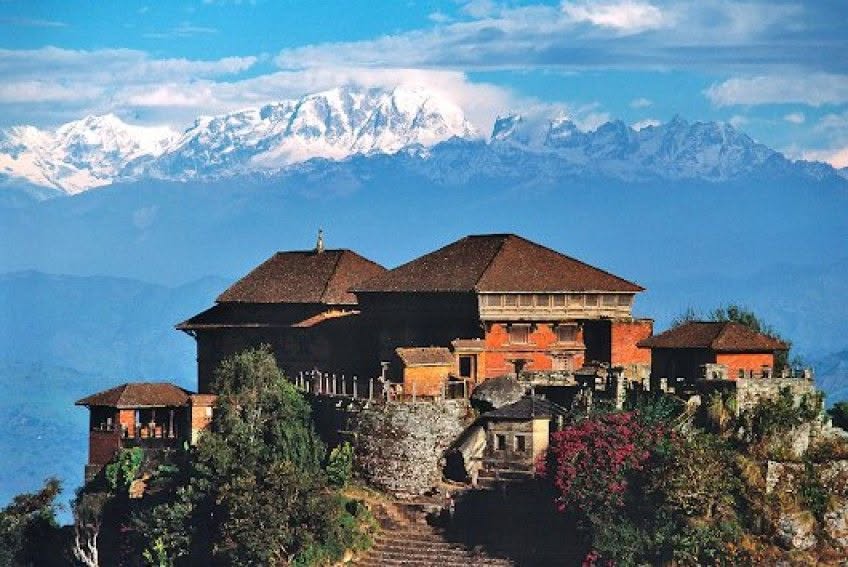
Myths to Stop Repeating ❌ “Nepal has 10 UNESCO World Heritage Sites.” ✅ Nepal has 4 inscribed properties: Kathmandu […]
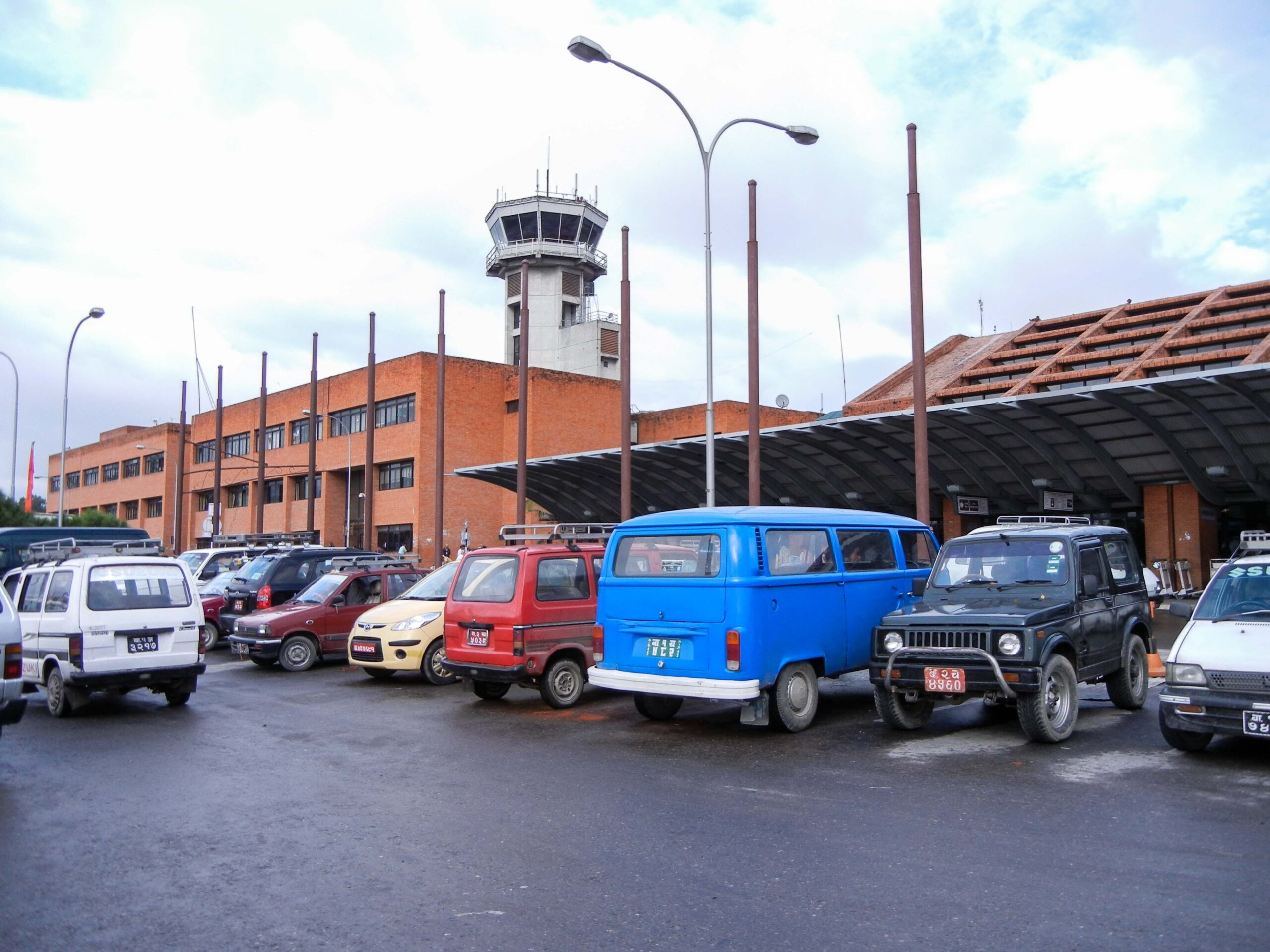
Airports in Nepal: The Complete Tourist Guide (2026 Updated) Nepal has 55 airports in total, but as a tourist, […]
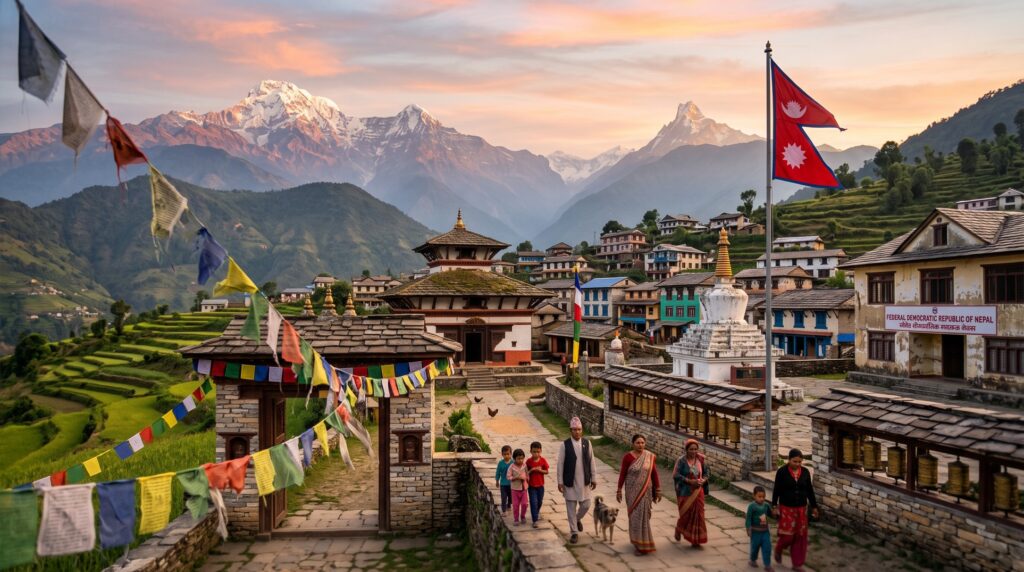
Learn how Prithvi Narayan Shah’s unification of Nepal reshaped the Himalayas, from Gorkha’s rise to the Kathmandu conquest and today’s debates.