Why Nepal Was Never Colonized?
Last October, I was sitting in a small café in Thamel when an Australian couple at the next table […]
 Nepalfacts 09 minutes read 45 views
Most travelers who have already hiked to Everest Base Camp or circled the Annapurna range start asking the same question: where in Nepal hasn’t everyone else already been? Rara Lake, in the far northwest of the country, is one of the honest answers. This guide covers how to visit Rara Lake with realistic flight routes, permit information, trekking combinations, and what the infrastructure actually looks like once you get there.
Rara Lake sits inside Rara National Park in Mugu District, Karnali Province, in far-northwestern Nepal, at an elevation of about 2,990 meters. It is the biggest lake in Nepal by surface area, considerably larger than the better-known Phewa Lake in Pokhara, yet it receives a small fraction of the visitors.
The remoteness comes down largely to geography. Karnali Province has Nepal’s least developed road network, and the mountains separating Mugu and Jumla districts from the rest of the country are steep, with many stretches still roadless. Limited investment in transport links over the decades has slowed infrastructure growth in this part of Nepal. The result is a lake surrounded by dense pine and spruce forest, grazing pasture, and a handful of small villages rather than lodges and souvenir shops.
Getting to Rara Lake almost always means flying from Kathmandu to Nepalgunj, then onward to Jumla or, when seasonally available, Mugu’s Talcha Airport, followed by a trek or jeep ride for the final stretch. There is no overland route from Kathmandu that most travelers would realistically choose, given the distance and road conditions in Karnali Province.
The two common approaches are:
Flight schedules to this region change often, and small aircraft are regularly grounded by weather. Confirm current routes through a Nepal-based trekking agency or a domestic airline directly rather than relying on older trip reports. For a fuller picture of how domestic air travel works across the country, see this list of airports in Nepal.
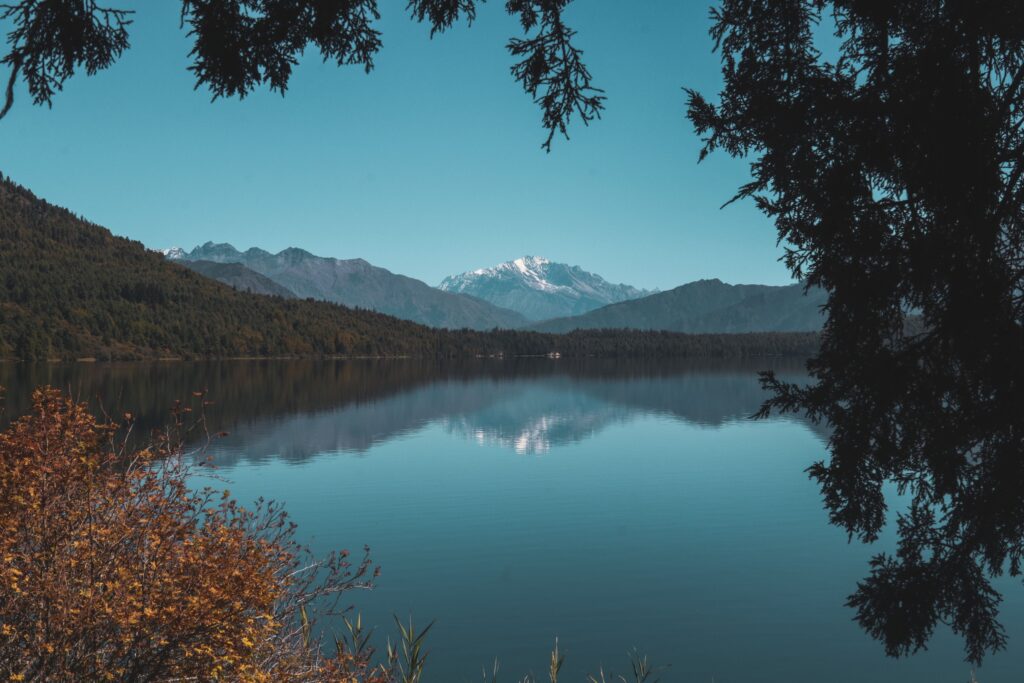
Rara Lake is worth visiting if your priority is solitude, dramatic alpine scenery, and a genuine sense of discovery rather than polished teahouses and crowded viewpoints. The lake’s deep blue-green water, ringed by forested hills and backed by snow peaks in clear weather, ranks among the most photogenic alpine lakes in the Himalayas.
What sets it apart from Pokhara or the Annapurna region is the near-total absence of commercial tourism infrastructure. You are more likely to share the trail with yak herders and local villagers than with other trekkers. Rara National Park, managed by Nepal’s Department of National Parks and Wildlife Conservation, protects forest habitat that supports species such as red panda and musk deer, along with a wide variety of birdlife, making the park appealing to wildlife watchers as well as hikers.
The honest trade-off is comfort. Expect basic teahouses or camping, a limited food menu, and no ATMs or reliable internet once you leave Jumla. Travelers who need predictable amenities may find Rara frustrating; those seeking a true off-the-beaten-path experience will find it one of the most rewarding remote places in Nepal.
Visiting Rara Lake requires a Rara National Park entry permit, issued at the park entrance or arranged in advance through a registered trekking agency. There is no TIMS card requirement here, unlike in the Annapurna or Everest regions, but a licensed guide is strongly recommended given the lack of signage and limited mobile coverage.
The Rara Lake permit cost varies by nationality, with different rates typically applying to Nepali citizens, SAARC nationals, and other foreign visitors, and fees are subject to periodic revision. Confirm current rates through the Nepal Tourism Board or the Department of National Parks and Wildlife Conservation before traveling, since figures published online are often outdated.
Keep a few printed passport photos and your passport on hand, since permit counters in this region do not always have reliable card or digital payment options.
The best time to visit Rara Lake is during the pre-monsoon months of April to June and the post-monsoon months of September to November, when trails are clear, weather is generally stable, and mountain views are at their best.
| Season | Months | Conditions |
|---|---|---|
| Spring | April – June | Rhododendron blooms, mild days, clear mornings |
| Monsoon | July – August | Heavy rain, landslide risk, flights often delayed |
| Autumn | September – November | Best visibility, stable weather, most popular window |
| Winter | December – March | Snow, possible access restrictions near the lake, very few visitors |
Winter brings heavy snow at this elevation, and some trekking agencies pause trips entirely during the coldest months. If you are drawn to true solitude and don’t mind cold weather, shoulder-season travel with a flexible schedule and an experienced guide can still work.
A trip to Rara Lake generally costs more per day than popular routes like Annapurna or Everest Base Camp, mainly because of the domestic flights into Nepalgunj and onward to Jumla or Mugu, plus the need for guides and porters in a region with little independent trekking infrastructure.
Major cost components include:
Because exact prices shift with fuel costs, season, and operator, get a current quote from a registered Nepali trekking agency before finalizing a budget. For a broader sense of daily travel expenses across Nepal and how remote destinations compare to standard tourist routes, this Nepal travel cost per day guide is a useful starting point.
The Rara Lake trek typically takes 7 to 10 days round trip from Kathmandu, including flight connections, acclimatization, and the walk in and out, though exact length depends on your starting point and flight reliability.
A common itinerary via Jumla looks roughly like this:
Trekking via Mugu’s Talcha Airport shortens the walking portion considerably, but flights there are less frequent, so build in buffer days. Altitude at Rara Lake is moderate compared with the high passes of Everest or Annapurna, but altitude sickness can still occur above roughly 2,500 meters. Walk at a steady pace, stay hydrated, watch for symptoms like headache or nausea, and travel with a licensed guide familiar with the route and local weather patterns.
Packing for Rara Lake means preparing for cold nights, simple lodging, and limited resupply options, since this region has far fewer shops and services than established trekking routes. Layered clothing, a warm sleeping bag, water purification tablets, and a physical map or offline GPS are essential.
Practical expectations to keep in mind:
A common misconception is that Rara Lake can be visited as a quick weekend add-on to a Kathmandu trip. In reality, flight dependencies and limited infrastructure mean travelers should budget extra days on both ends of the trip for possible delays.
Rara Lake rewards travelers who want to see a side of Nepal that still feels far removed from mass tourism. The flights can be unpredictable, the trails are quiet, and the lake itself is as striking as any alpine scene in the Himalayas. If you’re planning a wider Nepal itinerary, this list of best places to visit in Nepal can help you decide where Rara fits alongside more established stops. Have you been to Rara Lake, or are you planning a trip there? Share your questions or experiences in the comments below.
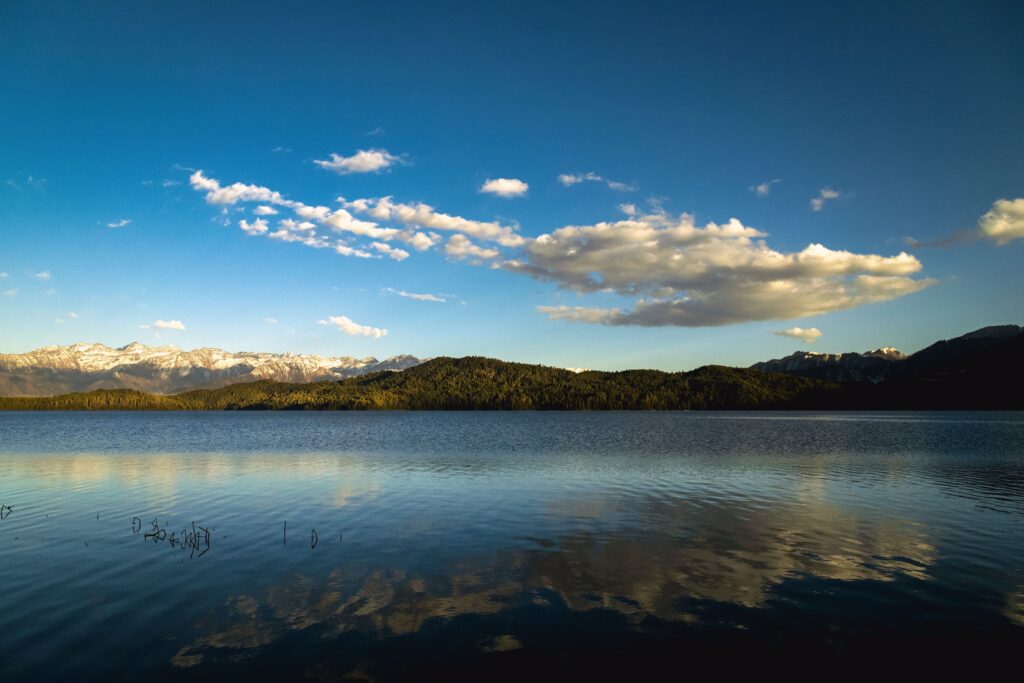
Rara Lake is located in Mugu District, Karnali Province, in far-northwestern Nepal, inside Rara National Park at an elevation of about 2,990 meters. It is one of the most remote lake destinations in the country, far from the usual tourist circuits around Pokhara and Kathmandu.
Most travelers fly from Kathmandu to Nepalgunj, then connect to Jumla or, when seasonally available, Talcha Airport near Mugu. From either airstrip, a trek of one to four days leads to the lake itself, depending on the route and flight conditions.
Rara Lake is worth visiting for travelers seeking solitude, dramatic alpine scenery, and minimal tourist infrastructure. It offers a genuinely remote experience with wildlife, forest trails, and a striking lake, though visitors should expect basic lodging and limited amenities.
Costs vary widely depending on flights, guide and porter fees, and permit charges, and domestic flights into Nepalgunj and Jumla or Mugu typically make up the largest expense. Because prices change, it’s best to get current quotes from a registered Nepali trekking agency before budgeting.
Yes, a Rara National Park entry permit is required and can be obtained at the park entrance or arranged in advance through a trekking agency. Fees differ by nationality and change periodically, so check current rates with the Department of National Parks and Wildlife Conservation.
A typical Rara Lake trip takes 7 to 10 days round trip from Kathmandu, including flights, acclimatization, and trekking time. Routes via Mugu’s Talcha Airport are shorter, while routes via Jumla involve several extra days of walking.
Yes, Rara Lake is the biggest lake in Nepal by surface area, significantly larger than Phewa Lake in Pokhara. Despite its size, Rara receives far fewer visitors due to its remote location and limited transport access.
Featured image: Photo by Gaurav Aeri on Pexels

Last October, I was sitting in a small café in Thamel when an Australian couple at the next table […]
Nepalfacts 09 minutes read 23 views Discover weird laws in Nepal, from cow protection rules to temple etiquette, so you can travel respectfully and avoid awkward mistakes.
In Nepal. Everyone leaves with a smile and is eager to return. From the moment you arrive in Nepal. […]
Nepalfacts 06 minutes read 475 views Every country in the world flies a rectangular or square flag. Every country except mine. Nepal’s flag is two […]