Comments Off on Weird Laws in Nepal: Taboos and Customs That Surprise Tourists
Key Takeaways:
Nepal’s cow protection law exists because the cow is sacred in Hinduism and is also Nepal’s national animal.
The Kumari, Nepal’s living goddess, has strict photography and conduct rules that visitors must respect when visiting Kathmandu’s Durbar Square.
Pointing feet at people, shrines, or food is considered deeply disrespectful across Nepali and broader South Asian culture.
Many Nepal etiquette rules, like using the right hand for giving and eating, trace back to Hindu and Buddhist ideas of purity.
A short pre-trip checklist can help travelers avoid offending locals without needing to memorize every rule in advance.
Nepal welcomes visitors with warm hospitality, but it also holds onto rules and customs that can trip up even seasoned travelers. Some of these are informal taboos passed down through generations, while others are actual laws with real penalties. Understanding the weird laws in Nepal and the etiquette behind them means the difference between a respectful visit and an accidental insult, or worse, a brush with the law.
This guide covers the customs that catch tourists off guard most often, explains why they exist, and gives you a practical checklist to carry with you from Kathmandu to the Himalayas.
Why Do Nepal’s Laws and Customs Surprise Even Experienced Travelers?
Nepal’s customs surprise visitors because the country blends Hindu and Buddhist traditions into daily life in ways that are not always obvious to outsiders. A gesture that seems harmless at home, like pointing your foot toward someone, can carry real weight in Nepal.
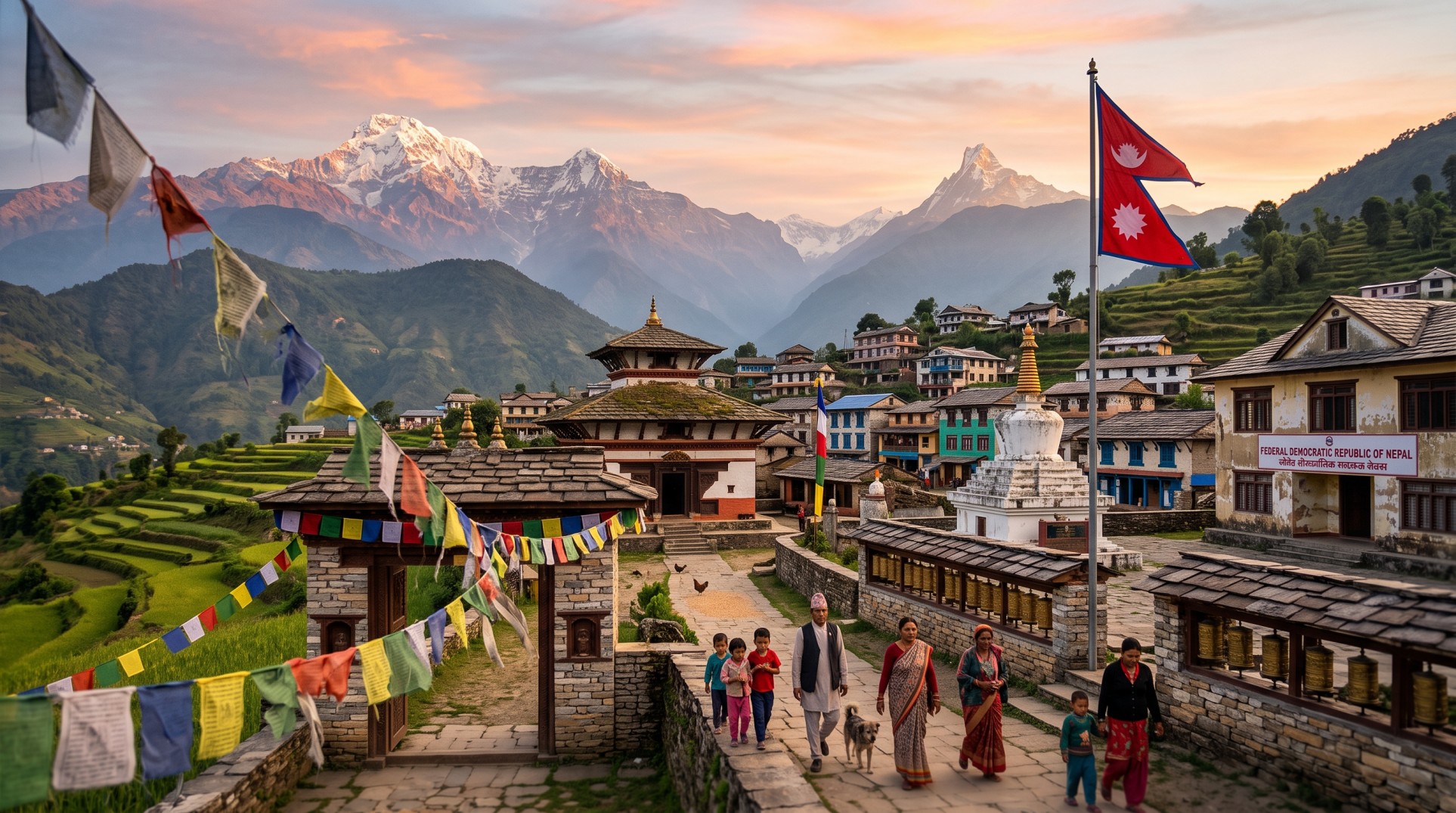
Nepal is a federal democratic republic made up of diverse ethnic groups, from the Newar communities of the Kathmandu Valley to the Sherpa of the high Himalaya. Hindu and Buddhist beliefs shape much of the country’s social etiquette, even for travelers who are not religious themselves. Many rules protect sacred spaces, animals, or symbols considered central to local identity, and ignoring them can cause genuine offense even when no law is technically broken. For a deeper look at how these traditions developed, see this overview of unbelievable facts about Nepali culture, people, and history.
Is It Really Illegal to Kill a Cow in Nepal?
Yes, killing a cow is illegal in Nepal, and the offense can carry serious legal consequences under national law. The cow holds sacred status in Hinduism as a symbol of Lakshmi, the goddess of wealth and prosperity, and it is also recognized as Nepal’s national animal.
This protection extends beyond religious reverence into formal law, making cow slaughter a criminal matter rather than just a social taboo. Beef is not commercially sold or served in most of Nepal, though buffalo meat is widely eaten and should not be confused with beef. Tourists sometimes assume this rule is only a cultural guideline, but treating it as optional can lead to legal trouble, so it deserves to be taken seriously rather than dismissed as trivia.
What Happens If You Disrespect the Kumari, Nepal’s Living Goddess?
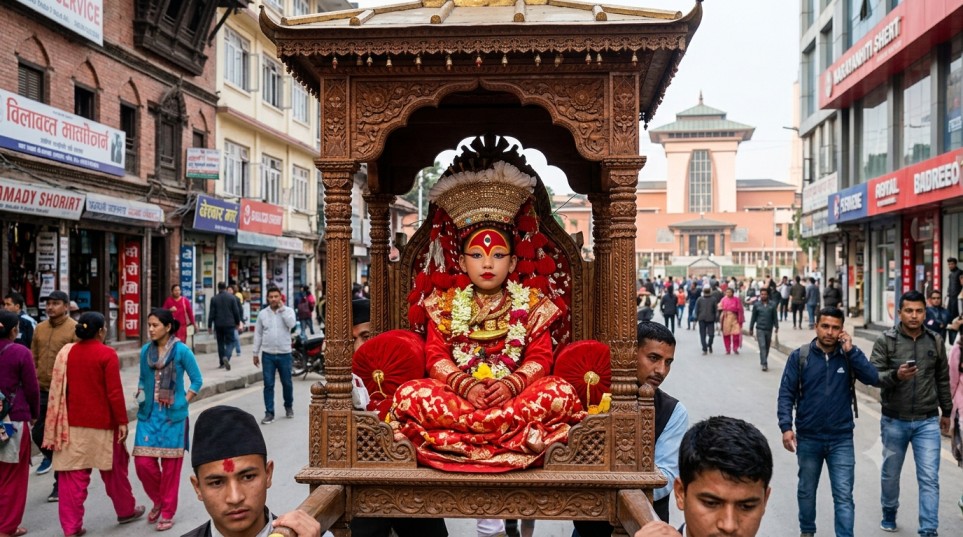
Disrespecting the Kumari can mean anything from a stern reaction by her caretakers to being asked to leave the premises immediately, since she is regarded as a living incarnation of the goddess Taleju. The Kumari is a young girl selected through a traditional process and worshipped as a living goddess, primarily in the Kathmandu Valley.
Visitors to Kathmandu Durbar Square often gather hoping to see her appear briefly at a window of the Kumari Ghar, her residence. Photography rules are strict: taking photos of the Kumari herself is generally discouraged or prohibited, though you may usually photograph the building and courtyard. Loud behavior, pointing, or trying to provoke a reaction from her is considered highly disrespectful. Learn more about her role and history in this detailed piece on the Kumari, Nepal’s living goddess.
Why Can’t You Point Your Feet at People or Shrines?
Pointing your feet at a person, shrine, or statue is considered disrespectful in Nepal because feet are seen as the lowest and least pure part of the body. This belief is rooted in both Hindu and Buddhist traditions, where the head is considered sacred and the feet are considered ritually unclean.
Practical implications show up constantly in daily life:
Avoid stretching your legs out so your feet point at a monk, elder, or religious statue.
Never touch anything, especially books or money, with your foot.
Remove shoes before entering temples, stupas, and many private homes.
If you accidentally touch someone with your foot, a quick touch of your hand to their foot and then your own chest or forehead is a common apology gesture.
Travelers often get this wrong simply because sitting cross-legged on the floor is common in Nepal, and it’s easy to forget where your feet end up pointing.
What Are the Unspoken Rules Inside Hindu Temples and Buddhist Stupas?
Inside Hindu temples and Buddhist stupas, visitors are expected to dress modestly, remove their shoes, and move clockwise around sacred structures, since these actions show respect for ritual purity and tradition. Non-Hindus are restricted from entering the inner sanctums of certain temples, most notably Pashupatinath Temple in Kathmandu.
Walking clockwise around stupas and mani walls, known as circumambulation, follows Buddhist tradition and should always be done in that direction, never counterclockwise. Photography is sometimes restricted inside shrines, and loud conversation or physical affection, like hugging or kissing, is considered inappropriate near sacred sites. Donations are appreciated but should never be demanded or expected of you, despite occasional pressure from individuals outside major temple complexes.
Site Type
Key Rule
Why It Matters
Hindu Temple
Non-Hindus may be barred from inner sanctum
Protects ritual purity of sacred space
Buddhist Stupa
Walk clockwise only
Follows traditional circumambulation practice
Both
Remove shoes, dress modestly
Shows respect for the sacred and the community
Are There Strange Superstitions About Death, Numbers, or Left Hands?
Yes, Nepal has several widely held superstitions, including avoiding the left hand for eating or giving items, since it is traditionally associated with hygiene tasks and considered impure for social exchanges. Numbers and death-related customs also carry weight in daily life.
Some common beliefs travelers may encounter:
The number 13 is sometimes considered unlucky, echoing a superstition also found in parts of the West.
Whistling at night is thought by some to attract spirits, so it is best avoided in quiet rural areas.
Mourning families observe specific rituals after a death, including periods of simplified diet and withdrawal from social events, so be sensitive if you notice a household in mourning.
Stepping over someone’s legs or body is considered disrespectful, particularly toward elders.
These beliefs vary by ethnic group and region, so not everyone follows every superstition strictly, but being aware of them helps you read social situations with more care.
What Everyday Habits Could Accidentally Offend Locals?
Everyday habits like using your left hand to hand over money, pointing directly at people, or touching someone’s head can unintentionally offend locals, even though these actions seem minor to most foreign visitors. The head is considered the most sacred part of the body in Hindu and Buddhist belief, so touching someone’s head, even a child’s, without close familiarity is generally avoided.
Public displays of affection, raising your voice in frustration, and entering someone’s kitchen without an invitation are also commonly seen as inappropriate. Tipping, haggling, and gift-giving customs differ from Western norms too; bargaining is generally expected in markets but should be done politely rather than aggressively. If you’re unsure whether a common belief about Nepal is accurate or exaggerated, this breakdown of common myths about Nepal is a useful reality check before you travel.
Quick Checklist: Dos and Don’ts Before You Travel to Nepal
A short checklist can help you avoid the most common mistakes without needing to memorize every rule in advance. Keep this list handy during your trip:
Do use your right hand for eating, giving, and receiving items.
Don’t point your feet at people, shrines, or statues.
Do remove your shoes before entering temples and many homes.
Don’t touch anyone’s head, even in a friendly gesture.
Do walk clockwise around Buddhist stupas and mani walls.
Don’t assume beef is available; cow slaughter is illegal in Nepal.
Do ask permission before photographing people, especially at religious sites or near the Kumari’s residence.
Don’t raise your voice or show public anger, which is viewed as a loss of composure.
If you plan to trek at high altitude in regions like Everest or Annapurna, remember that altitude sickness is a real risk as elevation increases, particularly above roughly 2,500 to 3,000 meters. Acclimatize gradually, stay hydrated, and consider hiring a licensed guide, since permits are required in many conservation areas and national parks managed by Nepal’s Department of National Parks and Wildlife Conservation. Always check current permit and visa requirements through Nepal’s Department of Immigration or the Nepal Tourism Board before you depart, since fees and rules can change.
Travel Nepal With Respect and Curiosity
Nepal rewards travelers who arrive with a little homework and genuine respect for local ways of life. Knowing why these rules and customs exist, rather than just memorizing a list, makes it easier to navigate unfamiliar situations gracefully and connect more genuinely with the people you meet.
Pack your curiosity along with your trekking boots, and let Nepal’s temples, mountains, and everyday moments surprise you in the best ways. If you’ve traveled in Nepal before, share your own experiences or questions in the comments below; your story might help the next visitor avoid an awkward moment too.
Frequently Asked Questions
What are some weird laws in Nepal?
Nepal’s most surprising laws include a strict ban on killing cows, since the cow is sacred in Hinduism and is also the national animal. There are also customs around certain religious sites and figures, like the Kumari, where disruptive behavior can lead to removal from the premises.
What should tourists avoid doing in Nepal?
Tourists should avoid pointing their feet at people or shrines, using their left hand to give or receive items, and touching someone’s head. It is also wise to dress modestly at religious sites, avoid public displays of affection, and never assume beef is on the menu.
Is it illegal to kill a cow in Nepal?
Yes, killing a cow is illegal in Nepal because the cow is considered sacred in Hinduism and holds status as the national animal. This is enforced as actual law, not just social custom, and violations can lead to serious legal consequences.
Can you take photos of the Kumari in Nepal?
Photographing the Kumari herself is generally discouraged or not allowed, though you can usually photograph the Kumari Ghar building and courtyard in Kathmandu Durbar Square. Rules can vary depending on the occasion, so it is best to follow guidance from on-site caretakers.
Why do Nepalis avoid pointing their feet at people?
Feet are considered the lowest and least pure part of the body in Hindu and Buddhist tradition, while the head is viewed as sacred. Pointing feet at a person, shrine, or statue is seen as disrespectful, so people are careful about leg and foot positioning in social settings.
Are there strange superstitions in Nepal travelers should know about?
Yes, common superstitions include avoiding the left hand for eating or giving, considering the number 13 unlucky, and believing whistling at night can attract spirits. These beliefs vary by region and ethnic group, but being aware of them helps travelers navigate social situations respectfully.





 Nepalfacts 05 minutes read 286 views