
airports nepal list
Airports in Nepal: The Complete Tourist Guide (2026 Updated) Nepal has 55 airports in total, but as a tourist, […]
 Nepalfacts 09 minutes read 35 views
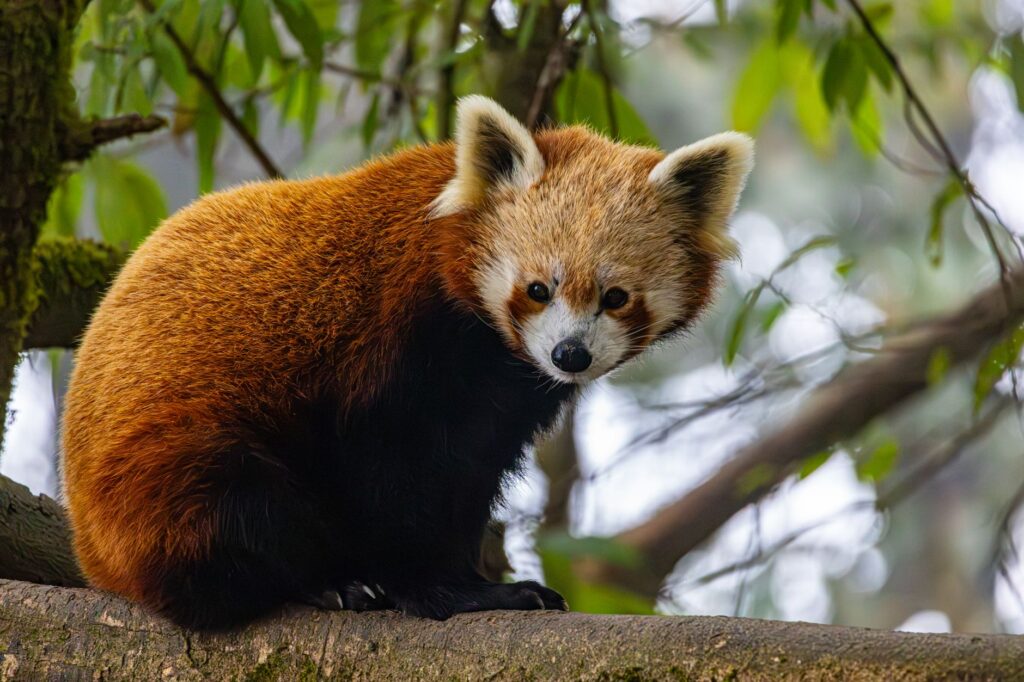
Picture an animal with a fox-like face, a ringed tail, and fur the color of autumn leaves, moving quietly through moss-covered rhododendron forest above 2,500 meters. That is the red panda, and Nepal is one of the few countries on Earth where you can still trek into its actual habitat. This guide covers where red pandas live in Nepal, how rare they really are, and which trekking routes give you a genuine, though never guaranteed, chance of seeing one in the wild.
Yes, Nepal has wild red pandas (Ailurus fulgens), living in scattered temperate and subalpine forests across the eastern and central hills. They are not zoo escapees or imported animals; red pandas are native to Nepal’s Himalayan foothills, along with parts of India, Bhutan, China, and Myanmar.
Many visitors assume the red panda holds some official symbolic status in Nepal, but Nepal’s national animal is the cow. The red panda is a separate, much smaller species than the snow leopard, with which it is sometimes confused, and it has become an unofficial mascot for eastern Himalayan conservation efforts rather than a national symbol.
Red pandas in Nepal live in cool, moist broadleaf and mixed forests roughly between 2,200 and 4,000 meters elevation, usually where bamboo undergrowth is thick. This bamboo layer is essential because it makes up most of a red panda’s diet, even though the species is classified as a carnivore.
Key habitat zones include:
Red pandas are solitary and mostly active at dawn, dusk, and night. They spend daylight hours resting in tree canopies, which makes them easy to miss even when one is nearby.
The best realistic chances to see a wild red panda in Nepal are in community-managed forests around Ilam and Taplejung, and within Langtang National Park. These areas combine healthy bamboo understory with trained local guides who understand the animals’ feeding and resting patterns.
Famous for its tea gardens, Ilam also holds patches of mid-hill forest that host red pandas at elevations above about 2,400 meters. Community forest user groups here work alongside conservation organizations to monitor red panda signs, including droppings and feeding trails, which guides use to identify likely viewing spots.
Taplejung, gateway to the Kanchenjunga region, holds some of the most intact red panda habitat in Nepal. Several community forests here have received support from red panda conservation programs over the years, and local forest guardians now lead short wildlife walks for visitors.

Langtang National Park sits just north of Kathmandu Valley and protects red panda habitat alongside its glaciers and high trails. It is one of the easiest red panda habitats to combine with a standard trekking itinerary, since the park already attracts hikers heading toward Langtang Valley and Gosainkunda.
| Location | District / Province | Typical Altitude | Access |
|---|---|---|---|
| Ilam community forests | Ilam, Province 1 | About 2,400–3,200 m | Short day hikes from Ilam town |
| Taplejung community forests | Taplejung, Province 1 | About 2,500–3,500 m | Combined with Kanchenjunga region treks |
| Langtang National Park | Rasuwa, Bagmati Province | About 2,500–3,800 m | Multi-day trek from Syabrubesi |
The red panda is classified as Endangered on the IUCN Red List, and Nepal’s population is thought to be in the low thousands, though exact numbers are hard to confirm given the species’ shy, forest-dwelling habits. Habitat fragmentation, livestock grazing in the forest understory, free-ranging dogs, and occasional poaching for fur all threaten the species across its Himalayan range.
Climate change adds another layer of risk, since red pandas depend on specific temperature and moisture conditions for bamboo growth. As warming shifts suitable habitat to higher elevations, the usable range for red pandas in Nepal’s hills could shrink over coming decades, though researchers are still studying how quickly this is happening.
Yes, you can trek specifically toward red panda habitat in eastern Nepal and in Langtang National Park, but sightings are never guaranteed because the animals are naturally elusive. The best seasons are generally spring, from March to May, and autumn, from October to November, when weather is stable and red pandas are more active searching for food.
Realistic expectations matter here. Even experienced local guides who track red pandas regularly can go several days without a confirmed sighting, since the animals are small, quiet, and well camouflaged among lichen-covered branches. Multi-day treks that include dedicated red panda walks with trained community guides, rather than a single afternoon visit, improve your odds considerably.
If you are already planning a longer Nepal itinerary, red panda trekking pairs naturally with other outdoor experiences. Travelers interested in wildlife-rich lowland parks often add a stop at the Chitwan National Park safari for rhinos and tigers, while those craving remote lakes sometimes combine it with a trip to Rara Lake in the far west. For a broader sense of where red panda country fits into the country’s attractions, see this overview of Nepal’s best places to visit.
Safety note: most red panda habitat sits above 2,500 meters, so altitude sickness is a real risk even on moderate treks. Ascend gradually, stay hydrated, and learn the early symptoms of acute mountain sickness before you go. Permits are required for conservation areas and national parks such as Kanchenjunga Conservation Area and Langtang National Park; check current requirements with the Nepal Tourism Board or the Department of National Parks and Wildlife Conservation, and hire a licensed guide for any multi-day route.
Red pandas and giant pandas are not closely related, despite sharing a name, a bamboo-heavy diet, and overlapping parts of the Himalayan and Chinese mountain ranges. Giant pandas belong to the bear family, Ursidae, while red pandas form their own distinct family, Ailuridae, and are more closely related to raccoons and weasels than to bears.
This is one of the most common misconceptions travelers bring to Nepal: assuming a panda sighting means something bear-like. In reality, a red panda is roughly the size of a large house cat, with a long bushy tail used for balance and warmth, making it a very different encounter from any bear.
Community forest user groups across Ilam, Taplejung, and nearby districts work with organizations such as the Red Panda Network to monitor habitat, train local forest guardians, and support anti-poaching patrols. These community-based programs rely on local residents who know the terrain to track red panda signs and report threats such as snares or illegal logging.
Local guides often grow up near these forests and carry detailed knowledge of animal movement patterns passed down over generations, which makes them highly effective at both conservation monitoring and guiding visitors. Many of these programs also run education initiatives in nearby schools, helping younger generations see red pandas as a source of pride and income rather than a resource to exploit.
Booking a red panda trek through a community forest program or a licensed local operator channels tourism income directly into habitat patrols and guide training. Guide fees and homestay bookings in villages near Ilam, Taplejung, and Langtang often help fund the same patrols that protect red pandas from snares and illegal logging.
To trek responsibly:
Even without a confirmed sighting, trekking through red panda habitat supports the forests, water sources, and biodiversity that make eastern Nepal and Langtang so valuable, alongside other endangered animals in Nepal such as the snow leopard and the clouded leopard that share these same mountain ecosystems.
Seeing a wild red panda in Nepal takes patience, the right season, and a guide who genuinely knows the forest. Walking through misty bamboo understory in Ilam, Taplejung, or Langtang National Park is rewarding on its own terms, sighting or not. Pair it with time in Chitwan’s lowland jungles or a quieter escape to Rara Lake for a fuller picture of how much wildlife this country protects. Have you trekked in red panda country, or are you planning your first trip? Share your questions or experiences in the comments below.
Yes, Nepal has wild red pandas living mainly in eastern hill forests around Ilam and Taplejung districts, and in Langtang National Park. They inhabit cool, bamboo-rich forests roughly between 2,200 and 4,000 meters elevation and are protected under national and community conservation programs.
The best chances are in community forests near Ilam and Taplejung in eastern Nepal, or within Langtang National Park north of Kathmandu. Trekking with trained local guides who track feeding signs significantly improves your odds, though sightings are never guaranteed.
Yes, the red panda is classified as Endangered on the IUCN Red List, and Nepal’s population is thought to be in the low thousands. Habitat loss, grazing pressure, free-ranging dogs, and occasional poaching are the main threats to its survival.
No, the cow is Nepal’s official national animal, not the red panda. The red panda is simply a well-known, charismatic endangered species found in Nepal’s hills, which leads many visitors to mistakenly assume it holds national symbol status.
Exact counts are difficult because red pandas are shy, solitary, and live in dense forest, but researchers estimate Nepal’s population to be in the low thousands. Ongoing monitoring by community forest groups and conservation organizations helps refine these estimates over time.
No, red pandas and giant pandas are not closely related despite sharing a name and a bamboo-based diet. Giant pandas belong to the bear family, while red pandas form their own family, Ailuridae, and are more closely related to raccoons and weasels.
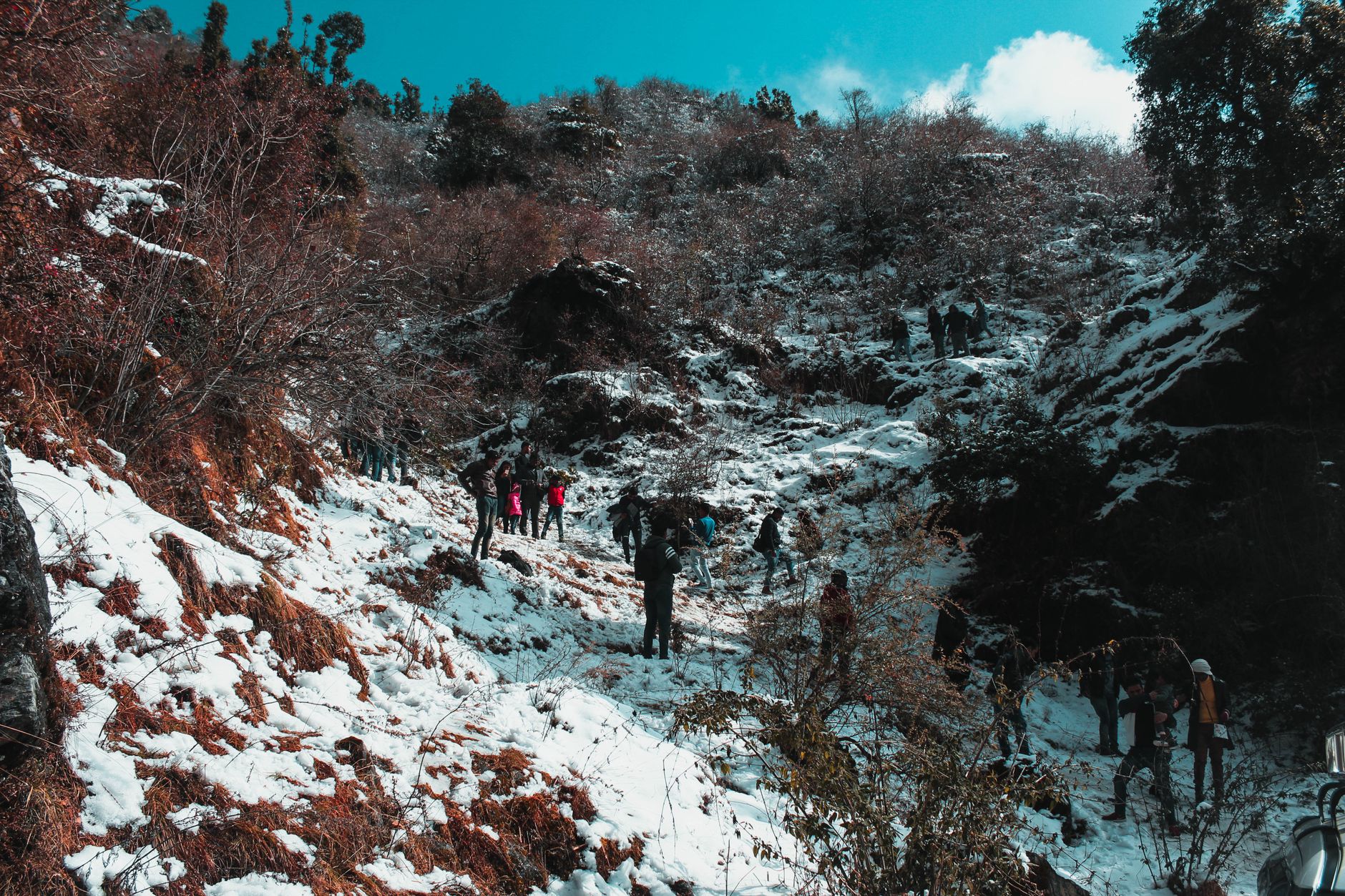
Featured image: Photo by Regan Dsouza on Pexels

Airports in Nepal: The Complete Tourist Guide (2026 Updated) Nepal has 55 airports in total, but as a tourist, […]
Nepalfacts 09 minutes read 31 views Find the best time to visit Nepal for trekking, safaris, festivals, and budget travel with this honest month-by-month weather and crowd breakdown.
How Nepal Chooses a Living Goddess The five stages of selecting the Royal Kumari of Kathmandu […]
Nepalfacts 07 minutes read 100 views Language and people 1 Nepal has a language related to no other language on Earth Kusunda is a genuine […]