Comments Off on Newar People Traditions: Culture, Dress and Daily Life
Key Takeaways:
The Newar people are the indigenous inhabitants of Kathmandu Valley in Bagmati Province, widely credited as the builders of most of its historic temples, palaces and public squares.
Newars speak Nepal Bhasa, a Tibeto-Burman language distinct from Nepali, and many combine Hindu and Buddhist worship within the same household.
Traditional Newari dress for women, the Haku Patasi, is a black sari with a red border still worn at weddings and festivals, especially in Bhaktapur and Patan.
Newar society was historically organized into occupational castes such as the Jyapu farmers, Shrestha merchants, and Vajracharya priests, though caste no longer legally restricts occupation or marriage.
Major Newar festivals, including Indra Jatra, Bisket Jatra and Yomari Punhi, follow the lunar calendar, so their dates shift each year and should be confirmed with the Nepal Tourism Board.
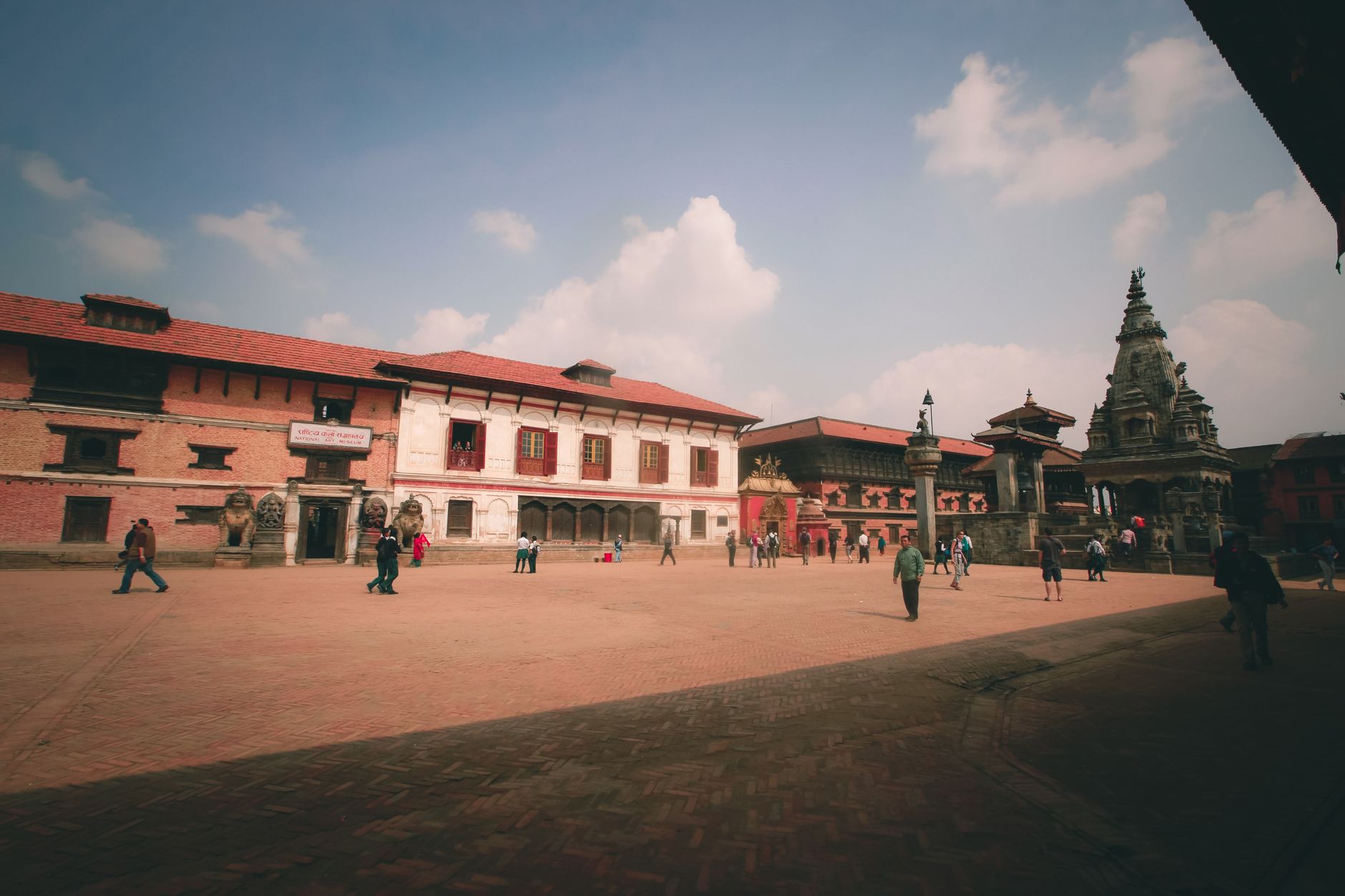
Walk through Kathmandu’s Durbar Square at dusk and you will hear temple bells, smell mustard oil frying in a khaja shop, and see women in black-and-red saris carrying brass water vessels home. That scene is the living signature of the Newar people, the indigenous inhabitants of Kathmandu Valley. Understanding Newar people traditions helps explain why this valley looks, tastes, and sounds the way it does.
The Newar people are an indigenous ethnic group native to Kathmandu Valley in Bagmati Province, Nepal, known for a dual Hindu-Buddhist identity, the Nepal Bhasa language, elaborate festivals, distinctive dress, and a centuries-old architectural legacy. They are widely credited as the builders and custodians of the valley’s historic cities, including Kathmandu, Patan (Lalitpur), and Bhaktapur.
Who Are the Newar People of Nepal?
Newars are the indigenous community of Kathmandu Valley, recognized by the government of Nepal as a distinct ethnic group with its own language, social structure, and cultural institutions. They are not a single caste or religion but a civilization built around the valley’s three historic royal cities: Kathmandu, Patan, and Bhaktapur, all in Bagmati Province.
Their identity rests on a shared language, Nepal Bhasa, and a shared urban culture that blends farming, trade, craftsmanship, and religious ritual. Newar society historically organized itself into occupational castes, which still shape family surnames and social roles today, even as modern life has loosened strict caste boundaries. For readers curious about how this fits into Nepal’s broader diversity, the overview of Nepali culture, people, and history offers useful context on the country’s many ethnic communities.
Where Do Newars Live and What Is Their History in Kathmandu Valley?
Most Newars live in Kathmandu Valley, concentrated in Kathmandu, Patan, and Bhaktapur, though communities have spread to other Nepali towns through centuries of trade. Historical and architectural evidence shows Newar civilization flourishing in the valley well before the unification of modern Nepal in the 18th century.
Newars were central to valley life during the Licchavi period (roughly the 4th to 9th centuries CE) and the Malla period (12th to 18th centuries), when Malla kings commissioned many of the temples and palace squares that still stand today. After Prithvi Narayan Shah’s conquest of the valley in 1768-69, Newars remained important to its administration, trade, and craftsmanship even as political power shifted to the Shah dynasty. Newar traders also established communities in towns beyond the valley, including Pokhara and parts of the eastern hills, reflecting their long history as merchants connecting Tibet and the Indian plains.
What Language Do Newars Speak?
Newars speak Nepal Bhasa, also called Newari, a Tibeto-Burman language entirely distinct from Nepali, which belongs to the Indo-Aryan language family. Nepal Bhasa has its own literary tradition and historical scripts, including Ranjana and Prachalit, with written records going back many centuries.
Nepal Bhasa is recognized in Nepal as a language of significant cultural and historical value, though Nepali remains the official national language used in schools and government. Many younger Newars today are more fluent in Nepali and English, and community members have raised concerns that everyday use of Nepal Bhasa is declining in urban households. Community organizations and some schools in Kathmandu Valley now offer Nepal Bhasa classes and publications to help pass the language to new generations.
Hindu, Buddhist, or Both? Understanding Newar Religious Identity
Most Newars practice a blended religious tradition that combines Hindu and Buddhist worship rather than choosing one exclusively. It is common for a single Newar family to honor both Hindu deities, such as Taleju Bhawani, and Buddhist figures, such as Avalokiteshvara, often within the same household shrine.
This dual identity is visible across Kathmandu Valley: Buddhist stupas such as Swayambhunath and Boudhanath stand near Hindu temple complexes like Pashupatinath, and many Newar neighborhoods maintain both a Hindu temple and a Buddhist monastery, known as a bahal or bahi. Newar Buddhism is a distinct tradition within Vajrayana Buddhism, with its own priestly groups, the Vajracharya and Shakya castes, who perform rituals without the celibate monastic structure found elsewhere. Most Newars see Hindu and Buddhist practice as complementary parts of one shared cultural life rather than as competing faiths.
What Does Traditional Newari Dress Look Like?
Traditional Newari dress for women is the Haku Patasi, a black cotton or silk sari with a red border, often paired with a red blouse, gold jewelry, and a tika on the forehead. Men traditionally wore a tunic and trousers known as daura-suruwal paired with a Dhaka-topi cap, a style shared with several other Nepali communities rather than unique to Newars.
The Haku Patasi remains common at weddings, festivals, and formal cultural events, though everyday clothing in Kathmandu Valley today is largely modern Western dress. Older Newar women, particularly in Bhaktapur and Patan, still wear the Haku Patasi regularly. Key features of traditional Newari attire include:
Haku Patasi: black sari with a red border, the signature women’s garment
Gold jewelry: including nose rings (phuli) and heavy necklaces worn during ceremonies
Dhaka-topi: patterned cap worn by men, shared with other Nepali communities
Red and black color pairing: considered auspicious and often linked to goddess worship
Newari Food Culture: Khaja Sets, Yomari and Feasts
Newari food is distinguished by elaborate khaja sets, ceremonial feasts, and dishes made from beaten rice, buffalo meat, and fermented soybeans, served in small ritual portions rather than one large plate. A typical Newari khaja set might include chiura (beaten rice), choila (spiced grilled meat), bara (lentil patties), and sometimes aila, a traditional distilled spirit.
One of the most recognized Newari dishes is Yomari, a steamed rice-flour dumpling filled with molasses or sesame paste, traditionally made during the Yomari Punhi festival, which usually falls in December. Newari feasts, called bhoj, mark weddings, funerals, and rites of passage, often following a set order of dishes rooted in tradition. Readers wanting to taste these dishes for themselves can check the broader list of traditional dishes to try in Nepal, which includes several Newari specialties alongside other regional foods.
Dish
Main Ingredients
When It’s Served
Yomari
Rice flour, molasses or sesame
Yomari Punhi festival (around December)
Choila
Grilled spiced buffalo or meat
Festivals, khaja sets, gatherings
Bara
Black lentil batter, fried
Feasts, weddings, daily khaja
Samay Baji
Beaten rice, egg, meat, lentils, vegetables
Rituals, celebrations, offerings
What Festivals and Rituals Define Newar Life?
Newar festivals follow a dense ritual calendar tied to both Hindu and Buddhist observances, with major celebrations like Indra Jatra, Bisket Jatra, and Yomari Punhi marking the year in Kathmandu Valley. These festivals often involve chariot processions, masked dances, and the public display of sacred images or living deities.
Indra Jatra, usually held in September, features a procession honoring the god Indra alongside appearances by the Kumari, Kathmandu’s living goddess, through the old city streets. Bisket Jatra, celebrated mainly in Bhaktapur around the Nepali New Year in mid-April, involves neighborhoods pulling a massive wooden chariot through the city. Because Newar festivals follow the lunar calendar, exact dates shift every year, so travelers should confirm timing with the Nepal Tourism Board before planning a trip around a specific celebration. Other notable observances include Gai Jatra, a procession honoring family members who died in the past year, and Mha Puja, a Newar ritual of self-worship held around the same time as the Tihar festival.
Newar Architecture: The Builders of Kathmandu’s Temples and Palaces
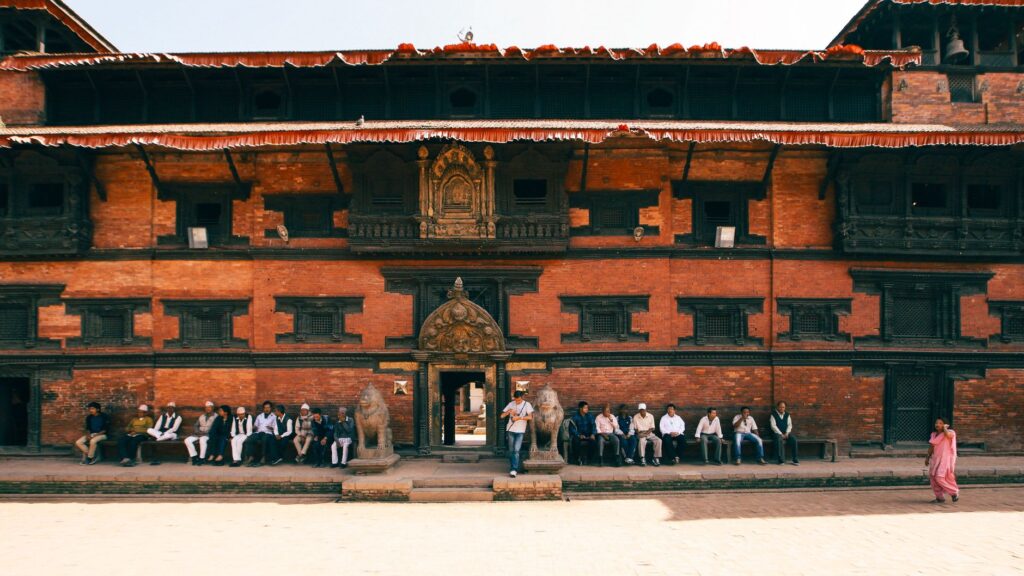
Newar craftsmen are widely credited as the primary builders of Kathmandu Valley’s pagoda-style temples, palace complexes, and intricately carved wooden windows, a legacy that helped earn the valley’s monument zones recognition as UNESCO World Heritage Sites. Their techniques combined brick, timber, and hand-carved wood in multi-tiered roof structures.
Many architectural historians believe the pagoda style, often associated today with temples in China and Japan, originated in Kathmandu Valley and spread through trade and diplomatic contact in earlier centuries, though the exact path of this influence remains debated among scholars. Durbar Square complexes in Kathmandu, Patan, and Bhaktapur showcase Newar craftsmanship, alongside landmarks like the Swayambhunath and Boudhanath stupas. Newar woodcarving guilds, historically organized by caste, continue this tradition today, and skilled artisans have been involved in restoring temples damaged in the 2015 Gorkha earthquake using traditional joinery methods passed down through generations.
How Is Newar Society Organized? Castes and Occupational Groups
Newar society has historically been organized into occupational caste groups, each traditionally tied to a specific trade, craft, or ritual role within the community. Major groups include the Jyapu, traditionally farmers and the backbone of the valley’s agriculture; the Shrestha, often merchants and administrators; the Vajracharya and Shakya, Buddhist priestly castes; and various artisan castes specializing in metalwork, woodcarving, and pottery.
The Jyapu farmers remain culturally significant as keepers of many agricultural festivals and traditional songs tied to the rice-planting season in Kathmandu Valley. Caste once shaped marriage, occupation, and social status strictly, but Nepali law today prohibits caste-based discrimination, and many younger Newars now move between professions regardless of traditional caste roles. A typical Newar wedding still reflects this layered social structure, involving multi-day rituals and specific priestly roles depending on family background, along with symbolic ceremonies such as Ihi, a ritual in which young girls are married to the bel fruit before any later marriage to a human groom. Comparisons are sometimes drawn between Newar social organization and other indigenous Nepali groups, such as the mountain-dwelling community profiled in the piece on Sherpa people traditions, though the two cultures differ sharply in geography, religion, and daily life.
Experience Newar Culture for Yourself
The Newar people turned Kathmandu Valley into a living record of temples, language, food, and ritual that still shapes daily life across Bagmati Province. Visiting Durbar Square, tasting a khaja set, or watching a festival chariot roll through Bhaktapur’s streets offers a direct window into traditions built over many centuries. Plan a visit around one of the valley’s festivals if you can, and take time to talk with local Newar families about their customs. Share your own questions or experiences with Newari culture in the comments below.
Frequently Asked Questions
What makes the Newar people different from other ethnic groups in Nepal?
The Newar people are the indigenous inhabitants of Kathmandu Valley, distinguished by their own Tibeto-Burman language, Nepal Bhasa, a blended Hindu-Buddhist religious identity, and a historic role as the valley’s architects, farmers, and traders rather than a single tribal or regional identity.
Is Newari a language or a dialect of Nepali?
Newari, properly called Nepal Bhasa, is a separate Tibeto-Burman language with its own grammar, script history, and literature, not a dialect of Nepali. Nepali belongs to the Indo-Aryan language family, so the two languages are historically unrelated despite centuries of contact.
What is the significance of the Haku Patasi dress?
The Haku Patasi is the traditional black sari with a red border worn by Newar women, especially during weddings, festivals, and formal ceremonies. It remains a visible marker of Newar identity, and older women in Bhaktapur and Patan still wear it as everyday clothing.
Are Newars Hindu or Buddhist?
Most Newars practice a blended tradition that includes both Hindu and Buddhist worship, often within the same family or household shrine. This dual identity is reflected across Kathmandu Valley, where Hindu temples and Buddhist monasteries frequently stand side by side in the same neighborhoods.
What is Yomari and when is it eaten?
Yomari is a steamed dumpling made from rice flour and filled with molasses or sesame paste, traditionally prepared during the Yomari Punhi festival, which usually falls in December. It is one of the most recognized dishes in Newari food culture and remains popular throughout Kathmandu Valley.
Who are the Jyapu and what role do they play in Newar society?
The Jyapu are a traditional Newar occupational caste of farmers who historically formed the agricultural backbone of Kathmandu Valley. They remain closely associated with rice-planting festivals, traditional work songs, and farming customs that continue in parts of the valley today.


 Nepalfacts 06 minutes read 259 views