Comments Off on Chitwan National Park: Rhinos, Tigers & Safari Guide
Key Takeaways
Chitwan National Park, in Chitwan and Nawalpur districts of Bagmati and Gandaki provinces, is Nepal’s oldest national park and a UNESCO World Heritage Site since 1984.
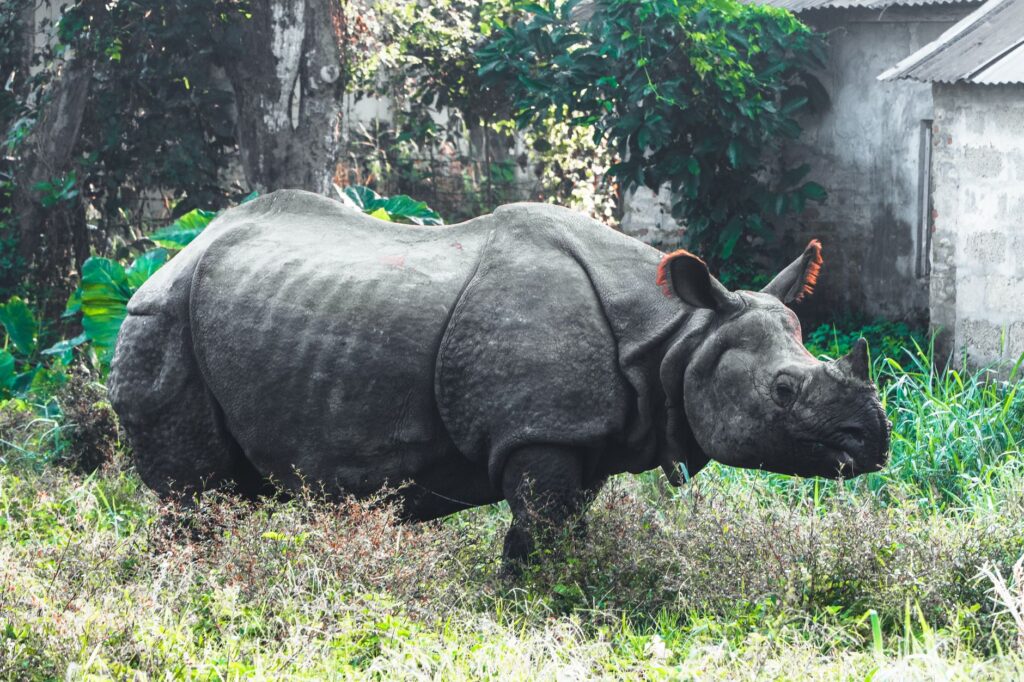
Nepal’s greater one-horned rhino population fell to under 100 in Chitwan by the 1960s but has since recovered into the several hundreds through anti-poaching patrols and habitat restoration.
Rhino, deer, and crocodile sightings are common in Chitwan, while Bengal tiger sightings stay rare because tigers are elusive and mostly nocturnal.
Bardia National Park generally offers a wilder, less-crowded experience with a strong tiger reputation, while Chitwan offers easier access and higher overall wildlife density.
Elephant-back safaris raise animal welfare concerns, so jeep safaris, canoe rides, and guided walking safaris are better alternatives for wildlife viewing.
Picture a misty river at dawn, a one-horned rhino wading through elephant grass, and a langur monkey calling from the sal forest canopy. That is an ordinary morning at Chitwan National Park, Nepal’s first national park and one of its most visited. Chitwan offers some of the most reliable large-mammal sightings in South Asia, a genuine conservation success story, and a landscape completely different from the Himalayan peaks most people associate with Nepal.
This guide skips the generic “top things to do” approach. Instead, it covers what you will actually see on safari, how the park compares to Bardia National Park, what a safari realistically costs, and the questions about elephant rides that many tour operators avoid.
What Makes Chitwan National Park a UNESCO World Heritage Site?
Chitwan National Park earned UNESCO World Heritage status in 1984 because it protects one of the last significant populations of the greater one-horned rhinoceros along with a lowland ecosystem of sal forest, riverine grassland, and wetlands. The park covers roughly 950 square kilometers across Chitwan and Nawalpur districts in south-central Nepal, spanning parts of Bagmati and Gandaki provinces.
Established in 1973, Chitwan was Nepal’s first national park and became a model for community-based conservation in Asia. Buffer zone programs around the park let local communities benefit economically from tourism and forest resources, which has reduced conflict between people and wildlife over the decades. The park sits along the Rapti, Reu, and Narayani rivers, part of the larger river network described in our overview of the rivers and lakes of Nepal.
What Animals Can You Actually See in Chitwan?
Most visitors to Chitwan see rhinos, deer, and often wild elephants on a two- to three-day trip, while Bengal tigers are rarely spotted because they are naturally shy and mostly active at night. Chitwan National Park wildlife is best understood as a spectrum of probability rather than a guaranteed checklist.
Here is an honest breakdown of what to expect on a typical safari:
Species
Sighting Probability
Notes
Greater one-horned rhino
High
Frequently seen near rivers and grassland on jeep and canoe trips
Spotted deer (chital) and barking deer
High
Common throughout the park in herds
Gharial and mugger crocodile
Moderate to High
Best seen on canoe rides along the Rapti River
Wild Asian elephant
Moderate
More likely in forested areas away from villages
Sloth bear
Low
Shy and mostly nocturnal
Bengal tiger
Low to Rare
Elusive; most visitors do not see one despite an established population
A common misconception is that a jungle safari in Nepal guarantees a tiger sighting. Even guides who work in the park daily can go weeks without seeing one. Pug marks, scratch marks on trees, and alarm calls from deer are often the closest most visitors get to a tiger, and that is still a genuine wildlife experience.
How Did Nepal Rebuild Its One-Horned Rhino Population?
Nepal’s one-horned rhino population in Chitwan fell to fewer than 100 animals by the 1960s due to poaching and habitat loss, but decades of anti-poaching patrols and habitat restoration have since rebuilt the population into the several hundreds. The Department of National Parks and Wildlife Conservation, working with Nepalese Army units stationed inside the park, has led most of this recovery effort.
Periodic national rhino censuses conducted by the Nepalese government track population trends, and Chitwan consistently holds the large majority of Nepal’s rhinos, with smaller populations in Bardia National Park and Shuklaphanta National Park. Exact current figures shift with each new census, so travelers wanting the latest confirmed count should check updates from the Department of National Parks and Wildlife Conservation or the Nepal Tourism Board rather than relying on older sources.
Nepal’s rhino recovery is widely cited as one of Asia’s clearer conservation successes, though the species still faces real threats from poaching for its horn and from habitat fragmentation as settlement expands around the buffer zone.
Chitwan vs Bardia National Park: Which Should You Choose?
Chitwan suits travelers who want easy access, comfortable lodges, and high odds of seeing rhinos and birdlife, while Bardia National Park suits those chasing a wilder, less-crowded experience with a stronger reputation for tiger sightings. Neither park guarantees tiger encounters, but Bardia’s lower visitor numbers and larger core wilderness area give tigers more undisturbed territory.
Access: Chitwan is a short flight or drive from Kathmandu or Pokhara; Bardia sits in far-western Nepal and requires a longer journey.
Crowds: Chitwan receives significantly more tourists; Bardia feels remote and quiet.
Wildlife density: Chitwan has higher overall animal density and easier rhino sightings; Bardia has a strong tiger population relative to its visitor numbers.
Infrastructure: Chitwan has more lodges, restaurants, and safari operators; Bardia has fewer, often more community-focused options.
Travelers short on time or new to Nepal generally do better starting in Chitwan. Those who have already done one safari and want a deeper wilderness feel, or who specifically hope for a tiger sighting, often prefer Bardia.
What Is the Best Time of Year to Visit Chitwan?
The best time to visit Chitwan National Park is during the dry season from October to March, when temperatures stay mild, trails remain accessible, and wildlife gathers near rivers and waterholes. Grass height matters too: after the annual grass-cutting around January, visibility across the grassland improves noticeably, making rhino and deer sightings easier.
April to early June brings hotter weather but can still be productive for wildlife viewing, since animals concentrate near water sources. The monsoon season from June to September floods much of the park, closes many trails, and makes safaris difficult, so most operators recommend avoiding this window entirely.
How Much Does a Chitwan Jungle Safari Cost?
A Chitwan jungle safari typically bundles park entry fees with a guided jeep or canoe excursion, and sometimes lodge accommodation and meals. Costs vary widely depending on whether you book a budget guesthouse package or a higher-end jungle lodge in the buffer zone, and prices change over time, so always confirm current rates with the Nepal Tourism Board or your chosen operator before booking.
As a general guide to structuring a budget, Chitwan safaris tend to fall into three tiers:
Budget: Shared jeep safaris, basic guesthouse stays, and government park fees.
Mid-range: Private jeep safaris, canoe and nature walks, comfortable lodges with meals included.
Premium: All-inclusive jungle resorts with private guides, multiple activities, and higher-end dining.
For a sense of how Chitwan fits into overall trip planning, see our detailed breakdown in the Nepal travel cost per day budget guide, which covers accommodation, food, and transport across the country.
Is Elephant-Back Safari Ethical? What to Choose Instead
Elephant-back safaris are increasingly controversial because the training methods and daily riding conditions used with captive elephants raise real animal welfare concerns, and many conservation groups now advise against them in Chitwan and similar parks. Travelers who care about wildlife welfare have several better options.
Alternatives exist that are both more ethical and often more rewarding for wildlife viewing:
Jeep safaris led by trained naturalist guides, which cover more ground and reach areas where larger animals gather.
Canoe rides along the Rapti River for crocodile and bird sightings.
Guided walking safaris, which allow close attention to tracks, birdlife, and smaller species, accompanied by an armed park guide for safety.
Community-run tours based in buffer zone villages, which channel tourism income directly to local Tharu communities rather than large operators.
Choosing a community-run jeep or walking safari instead of an elephant ride supports both animal welfare and the local economy, a combination worth prioritizing when booking.
How to Get to Chitwan From Kathmandu or Pokhara
Chitwan National Park is reachable from Kathmandu or Pokhara by road in roughly five to six hours, or by a short domestic flight to Bharatpur Airport followed by a brief drive to the park area. Tourist buses, private cars, and shared jeeps all run regularly between Kathmandu, Pokhara, and Sauraha, the main tourist hub bordering the park.
Sauraha, on the eastern edge of the park in Chitwan district, has the largest concentration of lodges and safari operators, while the Meghauli area on the western side offers a quieter, more upscale alternative. Most visitors spend two to three nights in Chitwan, enough time for at least two safari activities plus a cultural visit to a nearby Tharu village. If you are planning a broader Nepal itinerary, Chitwan pairs well with other stops covered in our guide to the best places to visit in Nepal.
Planning Your Chitwan Visit
Chitwan National Park rewards travelers with patience and realistic expectations: rhinos, deer, and crocodiles are near-certain, wild elephants are a good possibility, and a tiger sighting is a rare bonus rather than something to plan around. Choosing a licensed guide, respecting the park’s safety rules around wildlife distance, and picking jeep or walking safaris over elephant rides all make for a better and more responsible visit.
Whether Chitwan is your only wildlife stop in Nepal or the first half of a Chitwan-and-Bardia trip, it remains one of the country’s most rewarding destinations outside the mountains. Share your own Chitwan safari experience or questions in the comments below, and start planning the rest of your Nepal trip from there.
Frequently Asked Questions
Is Chitwan National Park worth visiting?
Yes. Chitwan National Park offers some of the most reliable wildlife sightings in South Asia, including rhinos, deer, and crocodiles, alongside a genuine conservation success story and a lowland landscape very different from Nepal’s mountain regions.
How many days do you need in Chitwan?
Most visitors spend two to three nights in Chitwan, which allows time for at least two safari activities, such as a jeep safari and a canoe ride, plus a visit to a nearby Tharu village.
Can you see tigers in Chitwan National Park?
Tiger sightings in Chitwan are possible but rare, since Bengal tigers are naturally shy and mostly active at night. Most visitors see signs like pug marks or hear alarm calls rather than spotting a tiger directly.
Is Chitwan or Bardia better for wildlife safari?
Chitwan offers easier access, more infrastructure, and higher odds of seeing rhinos, while Bardia National Park offers a wilder, less-crowded experience with a stronger reputation for tiger sightings. Neither park guarantees a tiger encounter.
What is the best time to visit Chitwan National Park?
The best time to visit is the dry season from October to March, when weather is mild, trails are accessible, and wildlife gathers near rivers and waterholes. The monsoon season from June to September floods much of the park and is best avoided.
Are elephant-back safaris available in Chitwan?
Elephant-back safaris are still offered in some areas, but many conservation groups advise against them due to animal welfare concerns tied to how captive elephants are trained and kept. Jeep, canoe, and walking safaris are recommended alternatives.
Comments Off on Dal Bhat Nepal: The Story Behind the National Dish
Dal bhat nepal explained: what’s in the plate, why trekkers call it “power 24 hour,” regional variations, and the etiquette of eating it with your hands.


 Nepalfacts 06 minutes read 204 views