Comments Off on One-Horned Rhino in Nepal: Where to See It & Its Comeback
Key Takeaways:
Nepal’s one horned rhino population has grown to over 750 animals, up from only a few hundred decades ago, mainly concentrated in Chitwan National Park.
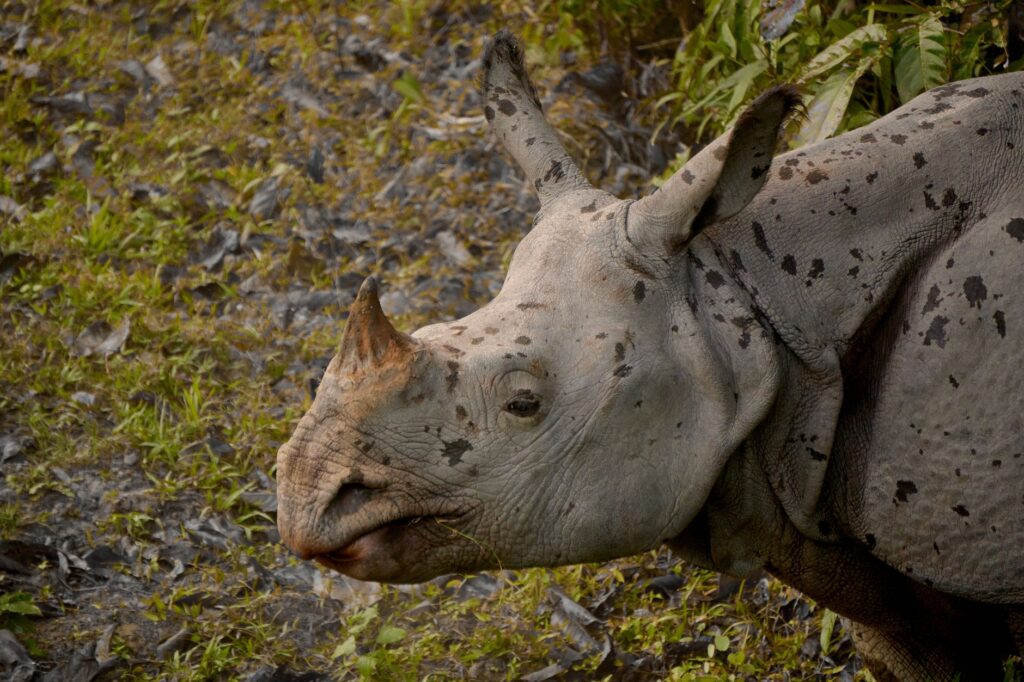
The greater one-horned rhinoceros is the only rhino species with a single horn and heavily plated, armor-like skin.
Chitwan National Park in the Terai lowlands offers the most reliable rhino sightings, with Bardiya National Park and Koshi Tappu Wildlife Reserve as growing alternatives.
Nepal has recorded multiple zero poaching years for rhinos, a rare conservation achievement credited to community-based anti-poaching units and the Nepali Army.
The species remains classified as vulnerable, and threats like habitat loss, flooding and occasional poaching for horn still persist.
Few wildlife sightings in Asia feel as primal as watching a one horned rhino Nepal calls its own wade through tall elephant grass at dawn. This armored giant was once pushed to the edge of extinction, yet Nepal has turned its story into one of the more hopeful conservation comebacks in South Asia. Today, more than 750 greater one-horned rhinos live within Nepal’s protected lowland parks, with Chitwan National Park hosting most of the national population.
How Many One-Horned Rhinos Does Nepal Have Today?
Nepal’s most recent national rhino count put the population at just over 750 individuals, based on periodic surveys carried out by the Department of National Parks and Wildlife Conservation. Most live in Chitwan National Park, with smaller populations in Bardiya National Park and Koshi Tappu Wildlife Reserve.
This marks a dramatic recovery. Decades ago, poaching and habitat loss reduced Nepal’s rhino numbers to only a few hundred animals, raising real fears about local extinction. Counts are not conducted every year, so exact current figures can shift slightly between surveys, and conservationists generally describe the population as “over 750” rather than citing one fixed number.
The trend matters more than any single figure: successive surveys since the early 2000s have generally shown growth, interrupted occasionally by setbacks from poaching spikes or natural disasters such as major floods.
What Makes the Greater One-Horned Rhino Different From Other Rhino Species?
The greater one-horned rhinoceros, also called the Indian rhinoceros, is recognizable by its single horn and thick, folded skin that looks like natural armor plating. It is one of five living rhino species worldwide, and the only one native to Nepal and the Indian subcontinent.
African rhino species, the white rhino and black rhino, have two horns and smoother, less heavily folded skin by comparison. The Nepali rhino’s horn is made of keratin, the same protein found in human fingernails and hair, not bone, a point many visitors get wrong.
Adult greater one-horned rhinos are large animals and capable swimmers despite their bulk. They are largely solitary, grazing on grasses, leaves and aquatic plants in the wetlands and floodplains of Nepal’s Terai region, the low-lying belt bordering India in southern Nepal.
How Nepal Brought the Rhino Back From Near Extinction
Nepal rebuilt its rhino population through strict legal protection, habitat management and the relocation of some animals between parks to support genetic diversity. Chitwan National Park, established in 1973 in Nepal’s Chitwan district, Bagmati Province, became the anchor of this recovery effort.
Starting in the 1980s and continuing in later decades, Nepal moved a number of rhinos from Chitwan to Bardiya National Park and Koshi Tappu Wildlife Reserve, creating additional populations so that a single disease outbreak, flood or poaching wave could not threaten the species nationwide. Conservation organizations often point to this multi-park approach as a useful model for other rhino range countries.
Community involvement mattered as much as park rules. Buffer zone programs around Chitwan and Bardiya gave local residents a direct stake in rhino survival, often through tourism revenue sharing and employment as guides, trackers and lodge staff.
What Are Nepal’s ‘Zero Poaching Years’ and How Did They Happen?
A “zero poaching year” means no rhino was killed by poachers in Nepal during that 12-month period, something Nepal has achieved more than once since around 2011. Nepali authorities and conservation partners treat these years as evidence that sustained enforcement and community cooperation can work, even though exact year-by-year figures are best checked against official government statements.
The achievement rests on a layered security system. The Nepali Army patrols inside national parks, while community-based anti-poaching units operate in buffer zones, sharing information with park wardens and police.
Army and park ranger patrols inside core rhino habitat
Community anti-poaching units recruited from local villages
Informant networks that report suspicious activity near park boundaries
Coordination with national and international agencies to track wildlife trafficking routes
These zero poaching stretches are not permanent guarantees. Nepal has also seen years with confirmed poaching incidents, often linked to organized smuggling networks rather than local hunters, which is why officials describe the effort as ongoing rather than finished.
Where to See One-Horned Rhinos in Nepal: Chitwan vs Bardiya vs Koshi Tappu
Chitwan National Park is the most reliable place to see a one-horned rhino in Nepal, thanks to its large population and well-developed safari infrastructure. Bardiya National Park offers a quieter, less crowded alternative with a smaller but growing rhino population, while Koshi Tappu Wildlife Reserve hosts the fewest rhinos and suits travelers more focused on birdwatching.
Park
Location
Rhino Population
Best For
Chitwan National Park
Chitwan district, Bagmati Province
Largest population in Nepal
Reliable sightings, established lodges, jeep and canoe safaris
Bardiya National Park
Bardiya district, Lumbini Province
Smaller, growing population
Fewer crowds, more remote wilderness feel
Koshi Tappu Wildlife Reserve
Sunsari/Saptari districts, Koshi Province
Smallest population
Birdwatching combined with occasional rhino sightings
Visitors sometimes glimpse rhinos near Chitwan without a formal jeep safari, since animals occasionally wander close to community forest trails or riverbanks used for walking and canoeing tours. Park officials still discourage unguided walks inside core park areas, since rhinos can charge if startled and the same terrain is also home to Bengal tigers.
What Threats Do Rhinos Still Face in Nepal?
Rhinos in Nepal still face poaching for their horn, which is wrongly believed in parts of East and Southeast Asia to have medicinal value, despite being made of keratin with no proven health benefits. Habitat loss, seasonal flooding and human-wildlife conflict along park boundaries remain ongoing pressures.
Illegal wildlife trade drives most remaining poaching incidents, with horn trafficked through smuggling networks rather than sold locally. Flooding of rivers near Chitwan, including the Rapti and Narayani, has also killed or displaced rhinos in past years, a reminder that natural hazards are now as serious a concern as human threats.
The International Union for Conservation of Nature (IUCN) currently lists the greater one-horned rhinoceros as vulnerable, an improvement from its earlier endangered classification that reflects conservation progress in both Nepal and India. The species still needs active protection, since gains could reverse without continued enforcement.
Best Time and Way to Spot a Rhino on Safari
The best time to see a one-horned rhino in Nepal is during the dry season from roughly October to March, when grasses are shorter and animals gather more predictably near rivers and watering holes. Early morning and late afternoon jeep or canoe safaris generally offer the best chances of a close, safe sighting.
Visiting during the monsoon months of June through September is harder, since tall grass can hide rhinos completely and some park roads become difficult to pass. Licensed naturalist guides, required inside Chitwan and Bardiya, know seasonal rhino movement patterns and river crossing points that visitors would otherwise miss. Anyone trekking at higher elevations elsewhere in Nepal should also note that altitude sickness is a separate, serious risk above roughly 2,500 meters, unrelated to these lowland rhino parks, and requires its own planning with a licensed guide and proper permits.
Book a guided jeep or canoe safari through a registered park operator
Choose early morning or late afternoon slots for cooler temperatures and more animal activity
Pack neutral-colored clothing and keep noise to a minimum
Always follow your guide’s instructions if a rhino approaches on foot or by canoe
Wildlife enthusiasts planning a longer Nepal itinerary sometimes pair a rhino safari with a trip into the hills to see other rare species, such as the red panda. This red panda Nepal guide outlines where that very different, high-altitude animal can be found.
Quick Facts: The One-Horned Rhino at a Glance
The greater one-horned rhinoceros is Nepal’s largest land mammal after the Asian elephant, and a flagship species for conservation in the Terai lowlands.
Population in Nepal: over 750, concentrated mainly in Chitwan National Park
Conservation status: vulnerable, according to the IUCN
Horn material: keratin, not bone
Size: among the largest land mammals in Asia, with adults reaching well over 1,500 kilograms
Main habitats: Chitwan National Park, Bardiya National Park, Koshi Tappu Wildlife Reserve
Key threats: poaching for horn, flooding, habitat fragmentation
A Comeback Worth Witnessing
Nepal’s one horned rhino population tells a genuinely encouraging story in global wildlife conservation, built on sustained monitoring, community partnership and consistent enforcement across decades. Seeing one of these armored giants grazing calmly along a Chitwan riverbank is both a travel highlight and a reminder that dedicated conservation work can change outcomes for a vulnerable species. Plan a safari in Chitwan or Bardiya, bring a good pair of binoculars, and share your own rhino sighting story or questions in the comments below.
Frequently Asked Questions
How many one-horned rhinos are left in Nepal?
Nepal’s most recent national survey counted just over 750 greater one-horned rhinos, with the vast majority living in Chitwan National Park and smaller groups in Bardiya National Park and Koshi Tappu Wildlife Reserve. Exact numbers shift slightly between survey years.
Where is the best place to see rhinos in Nepal?
Chitwan National Park offers the most reliable rhino sightings due to its large, well-established population and developed safari infrastructure. Bardiya National Park is a quieter alternative with fewer crowds, while Koshi Tappu Wildlife Reserve has a much smaller rhino population.
Why does the rhino have only one horn?
The greater one-horned rhinoceros evolved with a single keratin horn, unlike African rhino species which have two. This genetic trait, along with its heavily folded, armor-like skin, distinguishes it from other rhino species worldwide.
Is the greater one-horned rhino endangered?
The IUCN currently classifies the greater one-horned rhinoceros as vulnerable rather than endangered, an improvement reflecting conservation gains in Nepal and India. The species still requires active protection, since population recovery could reverse without continued enforcement.
How did Nepal save its rhinos from poaching?
Nepal combined strict park protection, army and community anti-poaching patrols, informant networks and translocation of rhinos between parks to boost genetic diversity. Buffer zone tourism programs also gave local communities a financial stake in protecting rhinos rather than poaching them.
What is Nepal’s zero-poaching year record?
Nepal has achieved multiple zero poaching years for rhinos since around 2011, meaning no rhinos were confirmed illegally killed during those 12-month periods. This is considered a notable conservation achievement, though poaching has occasionally resumed in other years, so vigilance continues.




 Nepalfacts 09 minutes read 86 views