Comments Off on Things to Do in Pokhara, Nepal: Lakes, Peaks & Culture
Key Takeaways
Pokhara is a standalone cultural and leisure destination, not just a gateway to Annapurna trekking.
Top activities include Phewa Lake boating, Sarangkot sunrise, paragliding, the World Peace Pagoda, and Gupteshwor Cave.
Pokhara’s culture blends indigenous Gurung traditions with a long-established Tibetan refugee community.
October to November and March to April offer the clearest mountain views and most reliable weather.
Most travelers should plan two to four days in Pokhara, with extra days if combining it with an Annapurna trek.
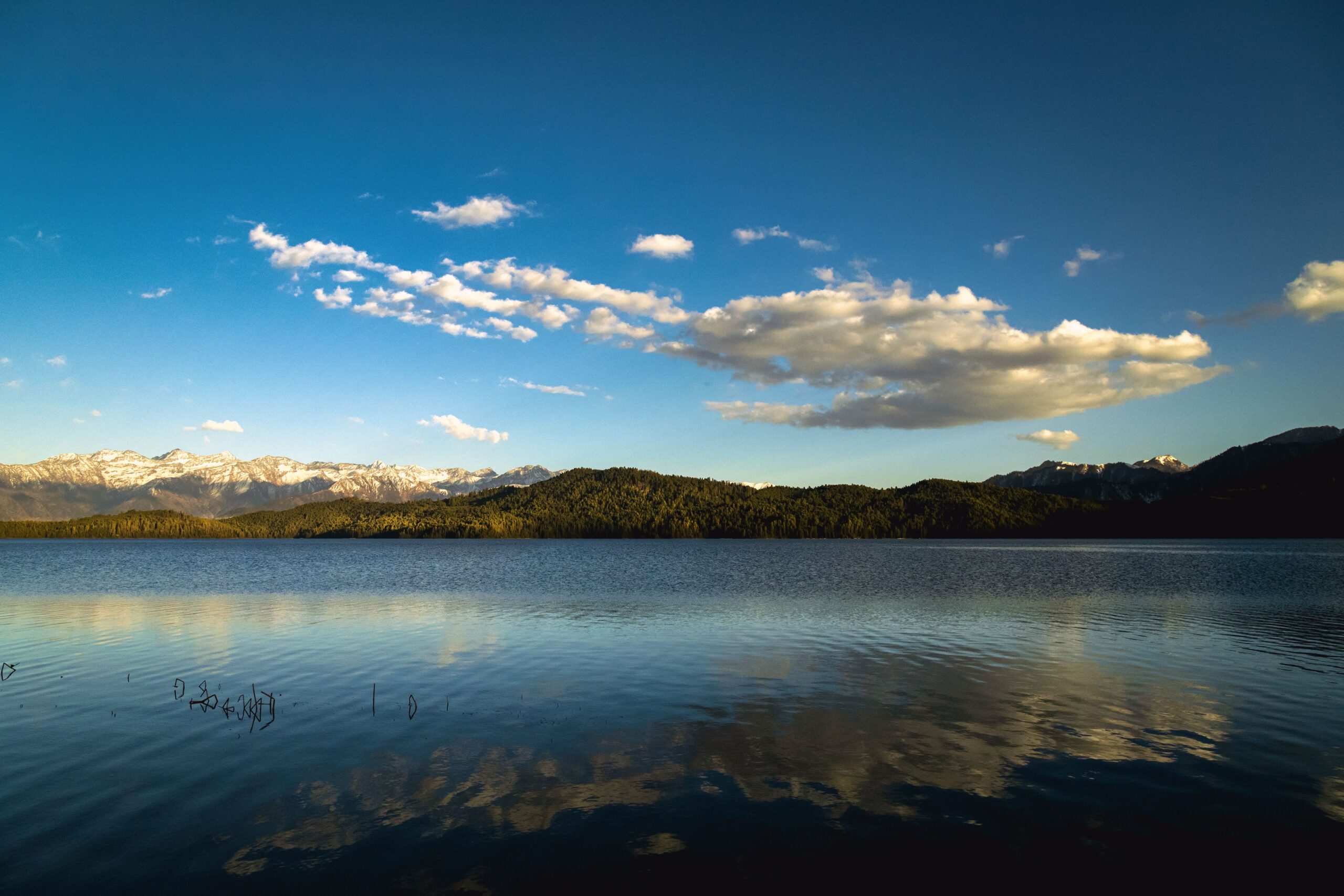
Mention Nepal to most travelers and they picture Mount Everest or the temple-packed lanes of Kathmandu. But ask anyone who has actually been to Pokhara, a lakeside city in Kaski District, Gandaki Province, and they will tell you it quietly steals the trip. Pokhara pairs a calm lake with close-up Himalayan views, Gurung and Tibetan heritage, and enough adventure sports to fill days on its own.
So what are the best things to do in Pokhara? Travelers come here to paraglide above Phewa Lake, watch sunrise over the Annapurna range from Sarangkot, explore limestone caves, and relax in a lakeside town that moves at a gentler pace than Kathmandu. It works equally well as an Annapurna trekking gateway or as a standalone destination for people with no interest in multi-day hiking.
What Is Pokhara and Why Do Travelers Go There?
Pokhara is Nepal’s second-largest city and the main gateway to the Annapurna region, but it is also a destination in its own right thanks to its lakes, mountain views, and relaxed atmosphere. It sits at a lower, milder elevation than many Himalayan towns, around 800 to 900 meters, which keeps it comfortable for most of the year.
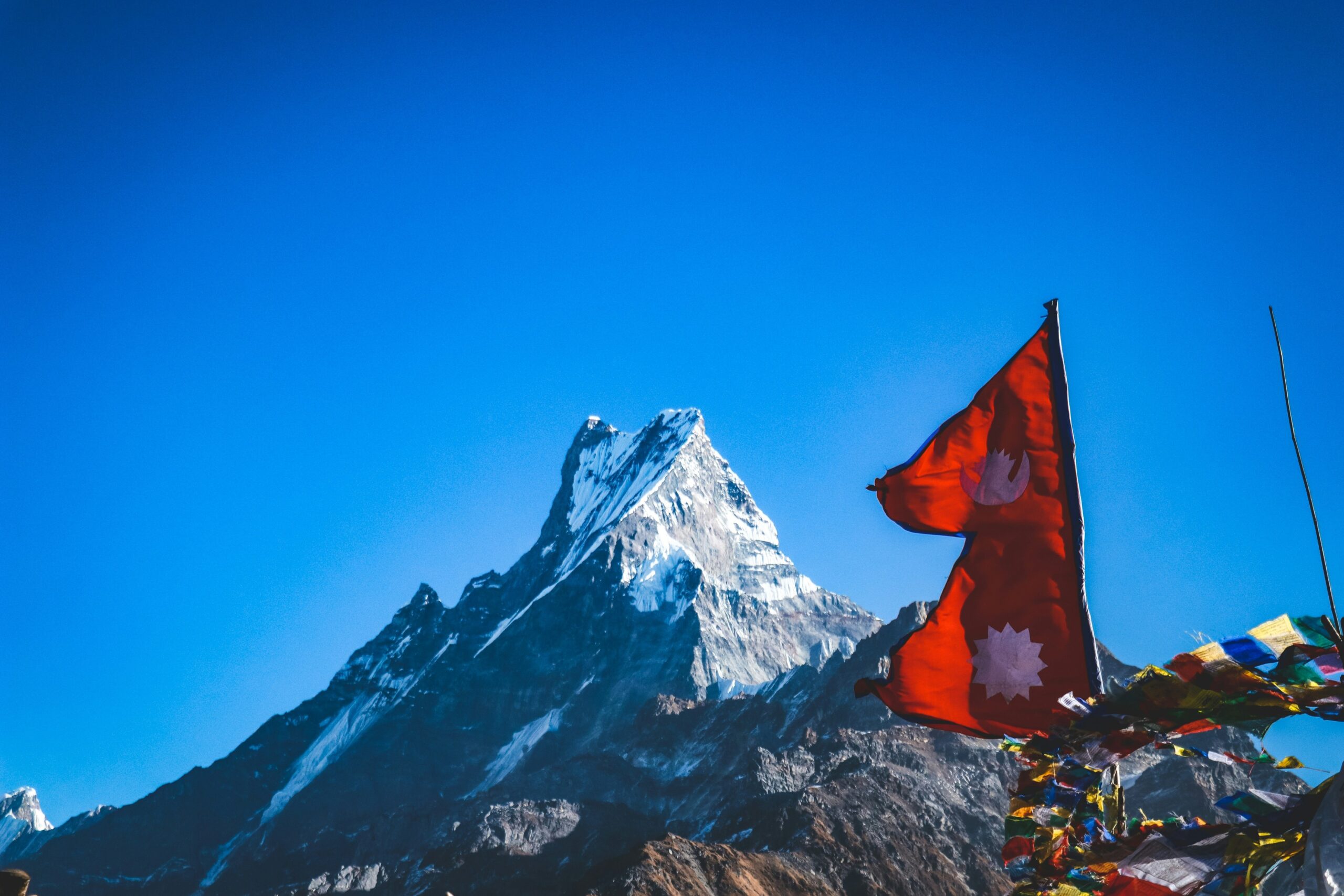
The city grew up around Phewa Lake, and the Annapurna massif rises behind it, with peaks like Machapuchare (also called Fishtail Mountain) visible on clear days without any trekking at all. This kind of direct, low-effort access to high-mountain scenery is unusual, and it is the main reason Pokhara has become a destination rather than just a stopover.
Many visitors also simply need a break after the intensity of Kathmandu’s traffic and crowds. Pokhara’s lakeside strip, known locally as Lakeside, offers cafes, bookshops, and boat rides at a noticeably slower rhythm.
What Culture and People Will You Encounter in Pokhara?
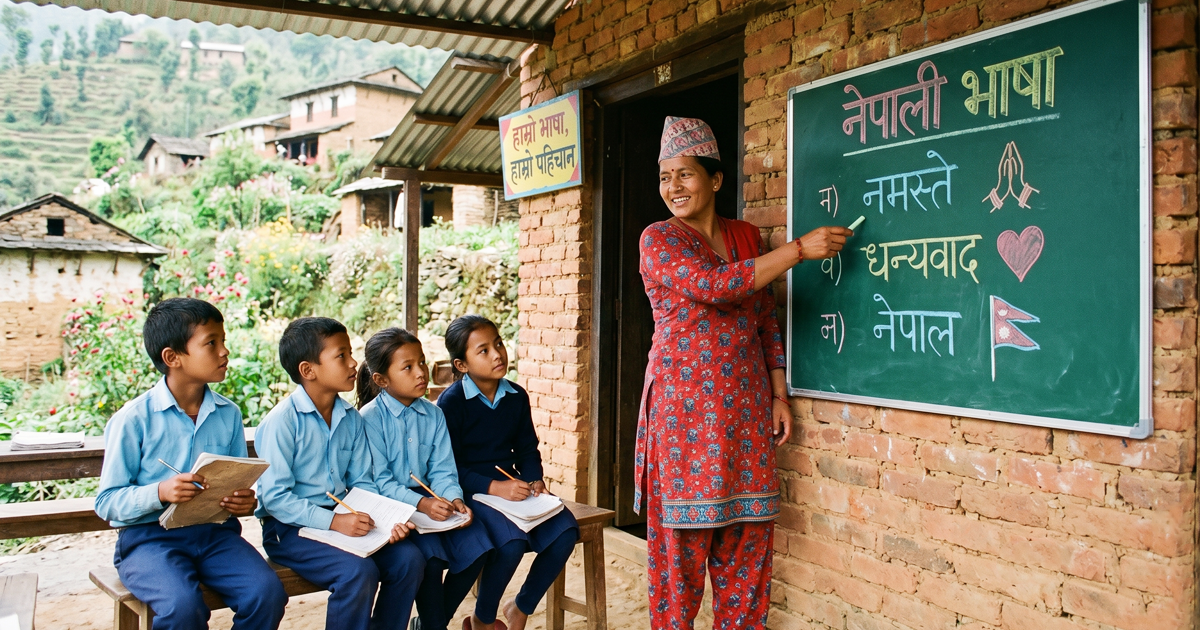
Pokhara’s culture blends indigenous Gurung communities with a long-settled Tibetan refugee population and people from across Nepal who have moved here for tourism and trade. Visitors will notice Buddhist monasteries, Hindu temples, and hill ethnic traditions existing side by side, often within walking distance of each other.
The Gurung are one of Nepal’s prominent hill ethnic groups, traditionally associated with the hills around Pokhara and with service in Gurkha regiments, and their customs, language, and festivals remain visible in and around the city. Readers wanting a deeper look can explore this guide to Gurung people and traditions.
Pokhara is also home to a significant Tibetan refugee community, settled here since the 1960s after the Dalai Lama and many Tibetans left Tibet, with settlements such as Tashi Palkhel and Tashiling that have their own monasteries and handicraft centers open to visitors. Nepali, Gurung, and Tibetan languages are all commonly heard around the city, alongside Nepal’s many other ethnic groups who have settled in Pokhara for work.
Respectful behavior matters here as everywhere in Nepal: ask before photographing monks or ceremonies, dress modestly at religious sites, and walk clockwise around Buddhist stupas and mani walls.
What Are the Best Things to Do in Pokhara?
The best things to do in Pokhara combine lakeside leisure, viewpoints, caves, and short cultural visits that together can fill anywhere from two to five days. None require trekking experience or special fitness.
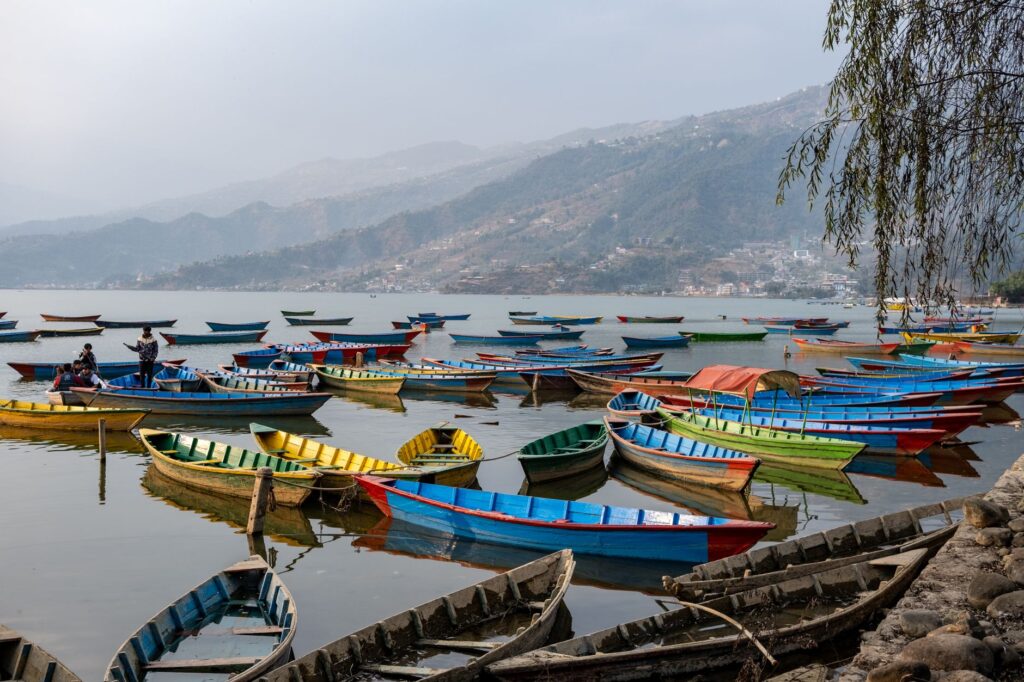
Phewa Lake: Rent a colorful wooden boat, row out to the Tal Barahi Temple on its small island, or simply walk the lakeside promenade at sunset.
World Peace Pagoda (Shanti Stupa): A hike or boat-and-walk combination leads to this hilltop Buddhist monument with panoramic views over the lake and mountains.
Davis Falls and Gupteshwor Cave: A waterfall that disappears underground, paired with a limestone cave system a short walk away.
International Mountain Museum: Covers Himalayan mountaineering history and regional geology, useful context before or after a trek.
Old Pokhara Bazaar: A quieter, older part of town with traditional architecture and local shops away from the tourist strip.
Begnas Lake: A less crowded alternative to Phewa Lake, good for travelers who want nature without the crowds.
What most visitors get wrong is spending all their time on the Lakeside strip and missing the cultural sites just 20 to 30 minutes away. A half-day loop covering the Peace Pagoda, Davis Falls, and Gupteshwor Cave gives a fuller picture of Pokhara than lakeside cafes alone.
Is Sarangkot Sunrise and Paragliding Worth the Hype?
Sarangkot sunrise and Pokhara paragliding are both genuinely worth doing, and together they are the two experiences most travelers remember long after leaving Nepal. Sarangkot is a hilltop viewpoint above the city where the Annapurna range, including Annapurna I, Dhaulagiri, and Machapuchare, catches early light in shades of pink and gold.
Most visitors drive or hike up before dawn, so an early start and a warm layer are essential, since temperatures drop noticeably at that elevation before sunrise. Cloud cover can obscure the view, especially outside the dry season, so building in a spare morning helps if the first attempt is cloudy.
Paragliding in Pokhara is generally considered safe when booked through an operator licensed by Nepal’s aviation and tourism authorities, using certified tandem pilots. As with any adventure sport, risk is never zero, so it is worth checking a company’s credentials and equipment rather than choosing solely on price.
Flights typically launch from near Sarangkot and glide down over Phewa Lake, giving a bird’s-eye view of the city, lake, and mountains that is hard to match from the ground.
How Many Days Should You Spend in Pokhara?
Most travelers should plan two to four days in Pokhara, depending on whether they are using it purely for sightseeing or as a staging point before an Annapurna trek. Two days covers the essentials: Phewa Lake, Sarangkot sunrise, and one cultural or cave visit.
Four days allows a more relaxed pace with paragliding, Begnas Lake, the International Mountain Museum, and time to simply enjoy lakeside life without rushing. Trekkers heading into the Annapurna region typically add one or two extra days in Pokhara before and after their trek for permits, gear, and rest.
Days in Pokhara
Best for
Includes
1-2 days
Short stopover travelers
Phewa Lake, Sarangkot sunrise, one cave or temple
3-4 days
Leisure and culture focus
Above plus paragliding, museum, Tibetan settlements, Begnas Lake
5+ days
Pre/post Annapurna trekking
Above plus permit arrangements, gear shopping, rest days
What Is the Best Time to Visit Pokhara?
The best time to visit Pokhara is during the dry seasons of October to November and March to April, when skies are generally clearest for mountain views and outdoor activities. These months also overlap with Nepal’s main trekking seasons, so Pokhara is busier, but the weather usually rewards the crowds.
The monsoon, roughly June through September, brings heavy rain and often hides mountain views behind cloud, though the lake and hills turn vividly green. Winter, from December to February, is cooler but still mostly dry, with clear mornings that can be good for Sarangkot sunrise, though early starts require warm clothing.
For a broader seasonal breakdown covering the whole country, see this guide on the best time to visit Nepal, since Pokhara’s weather broadly follows national patterns with somewhat milder winters.
How Do You Get to Pokhara from Kathmandu or Chitwan?
Travelers can reach Pokhara from Kathmandu by a short domestic flight or by tourist bus or private vehicle on mountain roads, a journey that generally takes several hours by land. From Chitwan National Park, a similar choice exists between a short flight and a longer road journey.
Flights are the fastest option, especially for travelers short on time, though schedules can shift with weather and should be reconfirmed close to departure. The overland route is scenic, passing river valleys and terraced hillsides, and remains popular with budget travelers and those who prefer not to fly on short domestic hops.
Exact fares and schedules change often, so it is best to confirm current prices and timings through Nepal Tourism Board resources or directly with airlines and bus operators before booking.
What Should You Eat and Where Should You Stay in Pokhara?
Pokhara serves the same dal bhat, momo, and thukpa found across Nepal, plus a strong lakeside cafe culture offering Tibetan, Indian, and international dishes less common in smaller towns. Freshwater fish from Phewa Lake also appears on some lakeside menus.
Lakeside (Baidam) is the main area for hotels, guesthouses, and restaurants, ranging from budget hostels to comfortable mid-range hotels, almost all within walking distance of Phewa Lake. Travelers planning a multi-city Nepal itinerary should also check this real budget guide to daily travel costs in Nepal to plan accommodation and food spending realistically, since Pokhara tends to run somewhat cheaper than Kathmandu for comparable quality.
For those comparing the two cities, Kathmandu offers denser historical and religious sites like its Durbar Squares and ancient temples, while Pokhara offers nature, adventure sports, and a slower pace. Neither replaces the other, and most itineraries benefit from including both rather than choosing one over the other.
Exploring Pokhara on Your Own Terms
Pokhara rewards travelers who give it real time rather than treating it as a quick stop before or after a trek. Its lake, mountain views, Gurung and Tibetan heritage, and adventure options make it one of Nepal’s most complete destinations for active travelers and for those who simply want to relax by the water.
Whatever pace suits your trip, Pokhara is worth building into your Nepal itinerary as a destination in its own right. Share your own Pokhara experiences or questions in the comments below.
Frequently Asked Questions
What is Pokhara known for?
Pokhara is known for Phewa Lake, close-up views of the Annapurna range, paragliding, Sarangkot sunrise views, and its role as the main gateway for Annapurna region treks. It is also known for its mix of Gurung and Tibetan refugee culture.
How many days do you need in Pokhara?
Most travelers need two to four days in Pokhara to cover Phewa Lake, Sarangkot sunrise, paragliding, and at least one cultural or cave site. Trekkers heading into the Annapurna region often add extra days before and after their trek.
Is Pokhara worth visiting if I’ve already seen Kathmandu?
Yes, Pokhara offers a very different experience from Kathmandu, focused on lakeside relaxation, mountain views, and outdoor adventure rather than dense historical sites. The two cities complement each other rather than duplicating the same experience.
Is Pokhara good for non-trekkers?
Yes, Pokhara works well for non-trekkers since its main attractions, including Phewa Lake, the Peace Pagoda, caves, and paragliding, require no trekking experience or special fitness. Many visitors enjoy Pokhara fully without ever heading into the mountains on foot.
How do you get from Kathmandu to Pokhara?
Travelers can fly from Kathmandu to Pokhara in well under an hour or travel overland by tourist bus or private vehicle in several hours. Flight schedules can change with weather, so it’s best to confirm current timings before booking.
Is paragliding in Pokhara safe?
Paragliding in Pokhara is generally considered safe when booked with a licensed operator using certified tandem pilots and proper equipment. As with any adventure sport, some risk remains, so checking credentials rather than choosing based on price alone is recommended.



 Nepalfacts 09 minutes read 101 views